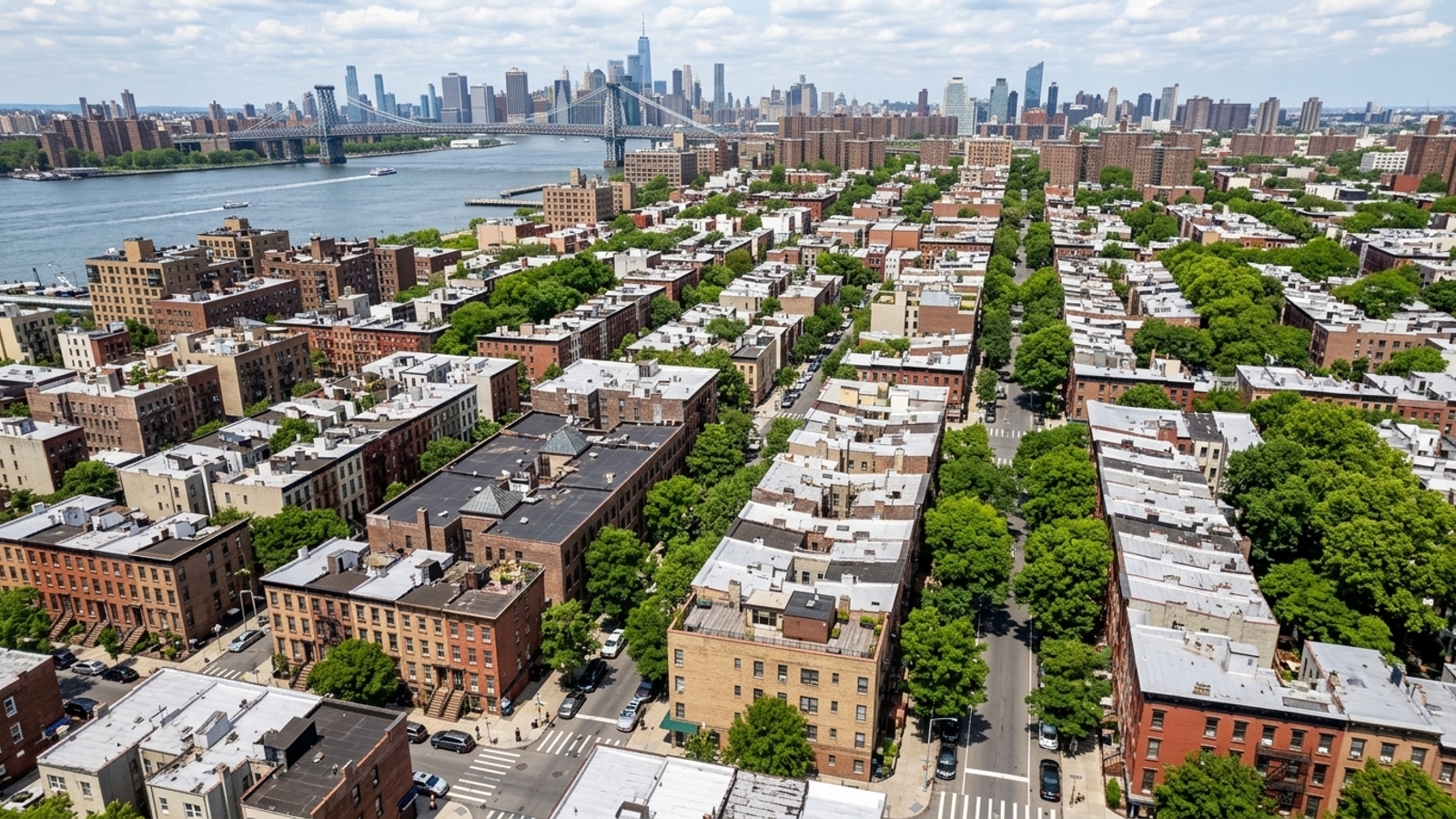
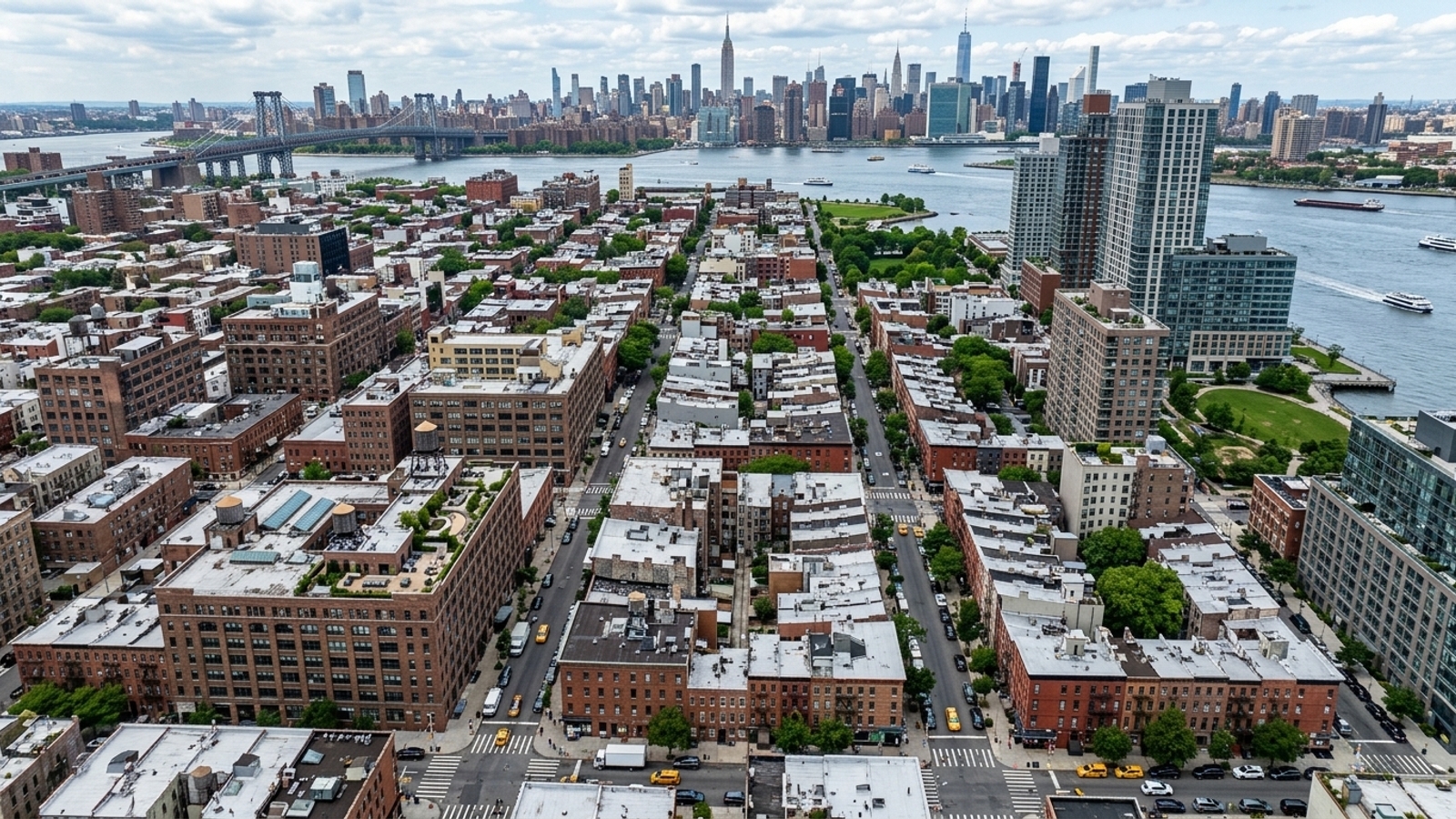
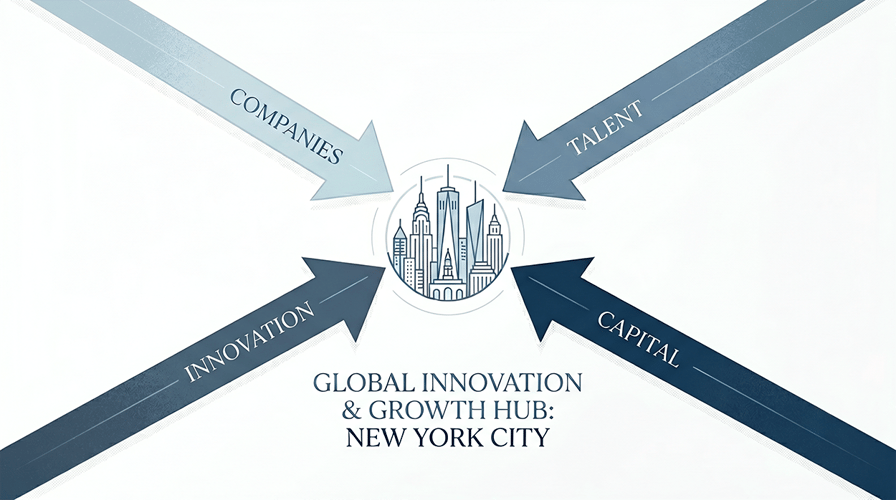
New York is becoming the second capital of AI because the companies, the talent, and the money are all moving here at the same time. Anthropic is taking an entire building in Hudson Square, OpenAI expanded in SoHo, AI was a dominant share of a record Manhattan office leasing quarter in early 2026, and the city now holds more than 9 percent of all AI workers in the country.
For anyone who works in tech and is thinking about buying a home here, the takeaway is not to chase the hype. It is to understand that a steady, multi-year migration is underway, and to get oriented before the crowd does.
I am a New York real estate broker, and I have spent the last stretch watching this shift happen in real time across my own client conversations. Here is what is actually going on, and why it matters for you.
What does "second capital of AI" actually mean?
It is not a slogan. It is three things happening together.
The companies are here. Anthropic is closing in on a lease for an entire building of roughly 466,000 square feet at 330 Hudson Street in Hudson Square. That is a full building, not a beachhead. OpenAI expanded around the Puck Building in SoHo. Across Manhattan, AI firms drove a record tech leasing quarter in early 2026, with SoHo, Hudson Square, and Midtown South emerging as the visible AI clusters.
The talent is here. New York is now home to more than 9 percent of all AI workers in the United States, ahead of Seattle, Boston, and Los Angeles. The city has also been leading the country in net gains of relocating tech workers, with a meaningful share coming directly from San Francisco.
And the work happens in person. New York economic development leaders have pointed out that AI firms are unusually office-centric, because close human collaboration still drives the output. That is part of why they are signing long, large leases rather than going remote, and it is why their senior people put down roots nearby.
When you put those three together, you do not get a one-company story. You get a city that is becoming a serious operating center for the whole industry.
Is it just about a few AI founders getting rich?
No, and this is the part most coverage gets wrong. The headline version is “frontier lab founders buy penthouses.” The real version is much broader.
The people moving here and buying are engineers, product leaders, designers, operators, and executives across tech, plus the finance and legal professionals who serve them. AI is the catalyst pulling talent and capital toward New York, but the buyer base is the whole knowledge economy that orbits it. That matters because it means this is a durable trend, not a single news cycle. Even if any one company’s timeline slips, the underlying migration of high-income tech workers into New York keeps going.
Will the 2026 AI IPOs flood NYC with buyers overnight?
Not overnight, and it is worth being precise about this because a lot of people are getting the timing wrong.
The 2026 IPO calendar is real. OpenAI filed confidentially and is targeting a listing around or above one trillion dollars. Anthropic raised roughly 65 billion dollars at about a 965 billion dollar valuation and has also filed. SpaceX is going public in 2026 as well. But the structure matters. SpaceX’s offering is all primary, which means the proceeds go to the company rather than to selling shareholders, and insiders face a 366-day lockup. In plain terms, the IPO itself is not a cash-out moment for employees. For OpenAI and Anthropic, IPO proceeds also unlock fully only after lockup periods expire, generally around six months after listing, which points to a larger wave of spendable wealth in 2027.
So the liquidity is staggered, not instant. The money that is actually spendable right now is the quieter kind: secondary sales and employee tender offers, which have been putting cash in people’s hands ahead of any public listing. The practical reading is simple. The people buying today are the ones who are already liquid, and the bigger wave is still ahead. If you are early to understand the market, you are buying with less competition than the people who wait for the headlines.

Where is this money going inside the city?
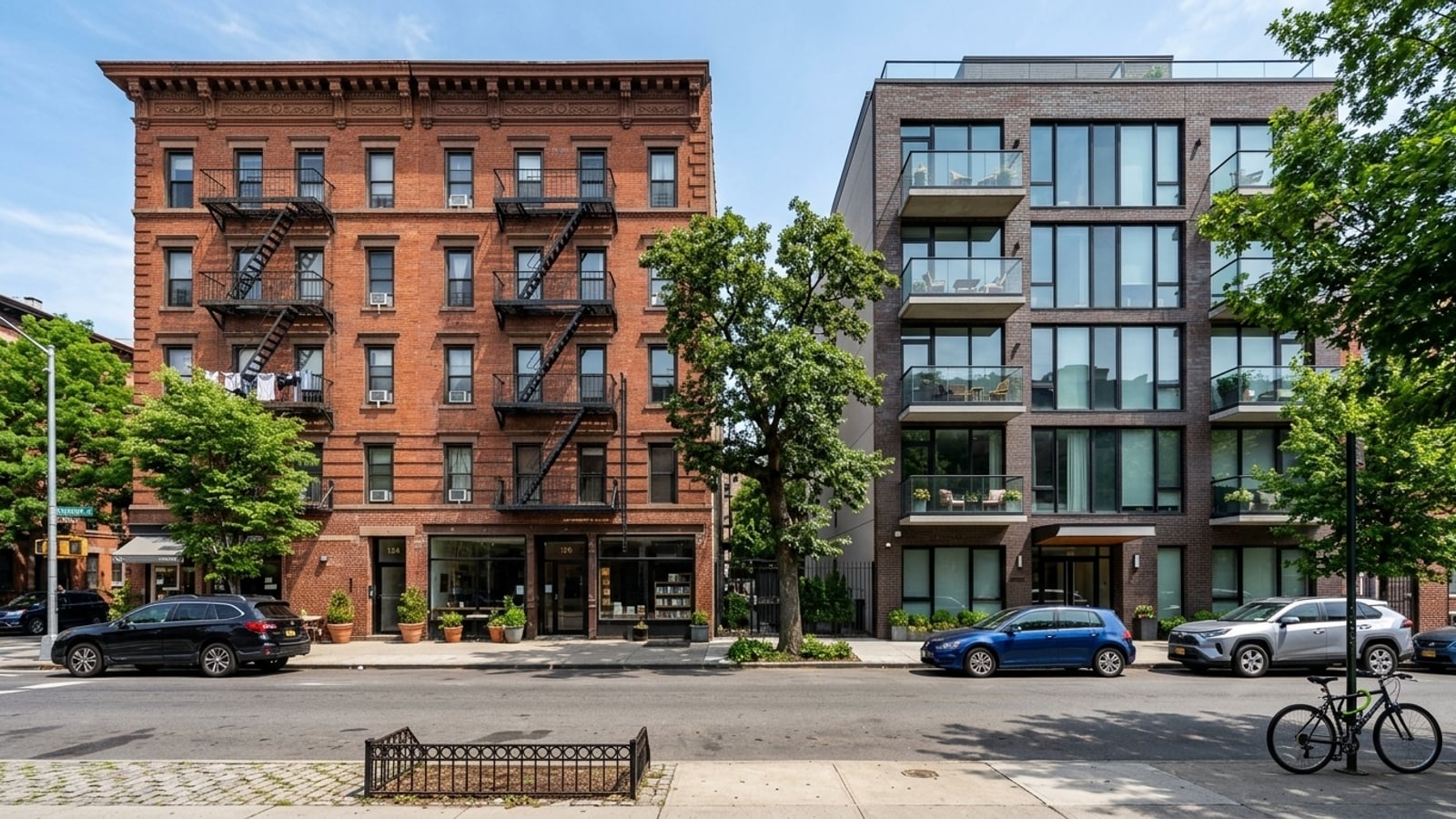
Tech buyers tend to gravitate toward new construction, full-service buildings with strong amenities, turnkey condition, and flexible ownership. That points to a specific set of neighborhoods.
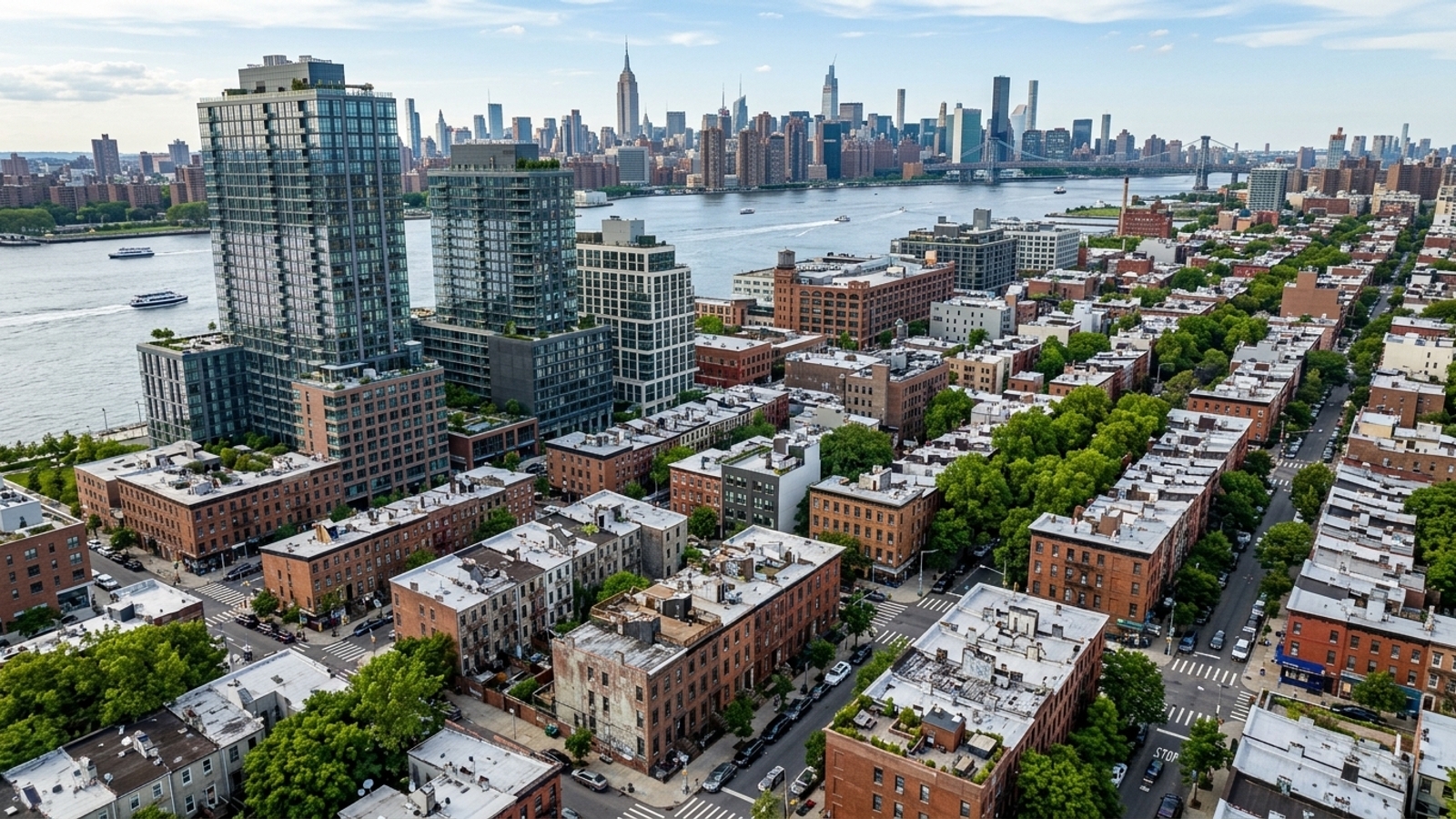
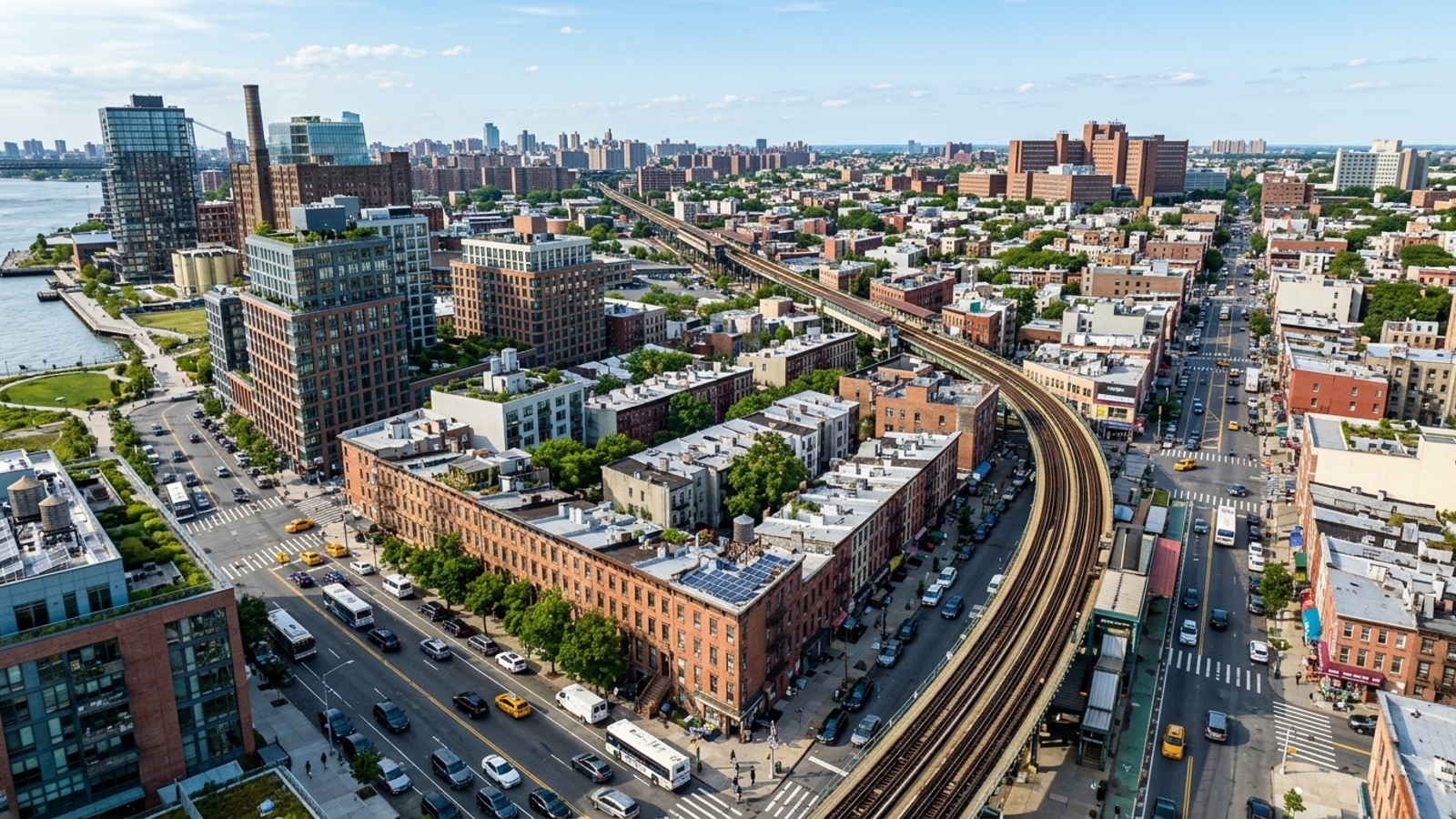
In Manhattan, NoMad and Flatiron have drawn branded new development with hotel-grade service. Chelsea and Gramercy offer central, design forward full service towers. Tribeca brings branded new construction and large floor plates for buyers comfortable above three million dollars. In Brooklyn, Williamsburg and DUMBO suit buyers who want new construction, light, and water views with a short commute into the downtown office corridor.
The market data backs this up. Manhattan new development contracts were up roughly 87 percent year over year in the first quarter of 2026, the strongest new development quarter of the decade, and high amenity launches have been going into contract quickly. This is exactly the part of the market we focus on, and it is where the analytical work pays off most, because in new construction, the asking price and the true value are not always the same number.
Why this is an opportunity rather than just a headline
Here is the pattern worth remembering. After every major wealth wave in this city, one advisor becomes the name associated with that buyer. It happened with Wall Street money, and it happened again during the 2021 crypto cycle. The slot for “the people who understand AI and tech wealth in New York real estate” is open right now.
I am not interested in chasing hype, and I do not think you should buy a home because of an IPO calendar. What I do think is that if you work in tech and New York is in your future, the smart move is to get oriented early, understand how this market actually works, and make a clear-eyed decision rather than a rushed one. That is the whole reason we are publishing this series.
The bottom line
New York has quietly become the second capital of AI, in talent, in office footprint, and increasingly in where the wealth gets spent. The 2026 IPO calendar is not a reason to speculate. It is a reason to understand, early and clearly, how this market works and what this new wave of buyers actually wants. Most brokers will keep talking about listings. Very few will talk about where the wealth is moving and why.
If you work in tech and New York is on your horizon, the right time to get oriented is now, before the crowd.
Book a 30-minute strategy call. No pitch. Just the analysis.
Undivided Inc. is a licensed real estate brokerage. No financial, tax, or legal advice is provided in this article. Information is general and may not reflect your specific circumstances or the latest rules, so consult qualified professionals before acting.