-
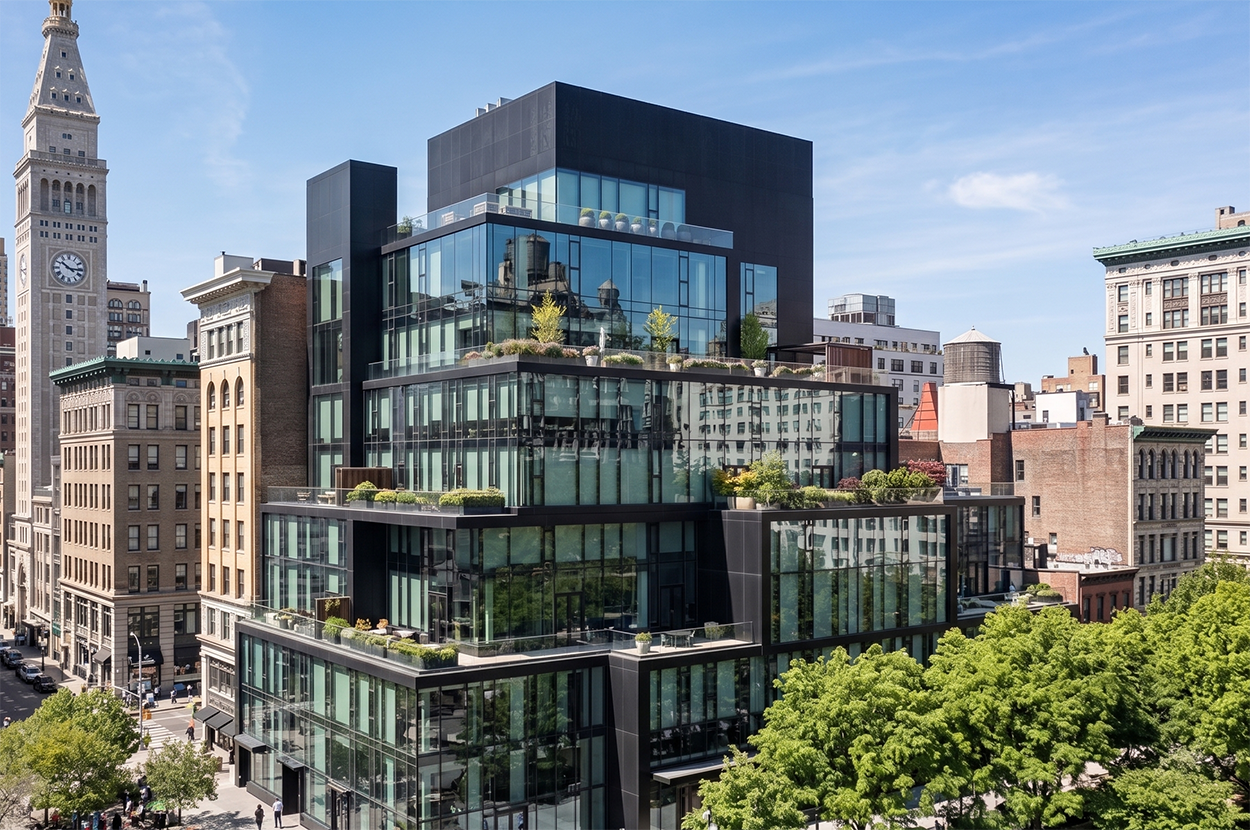
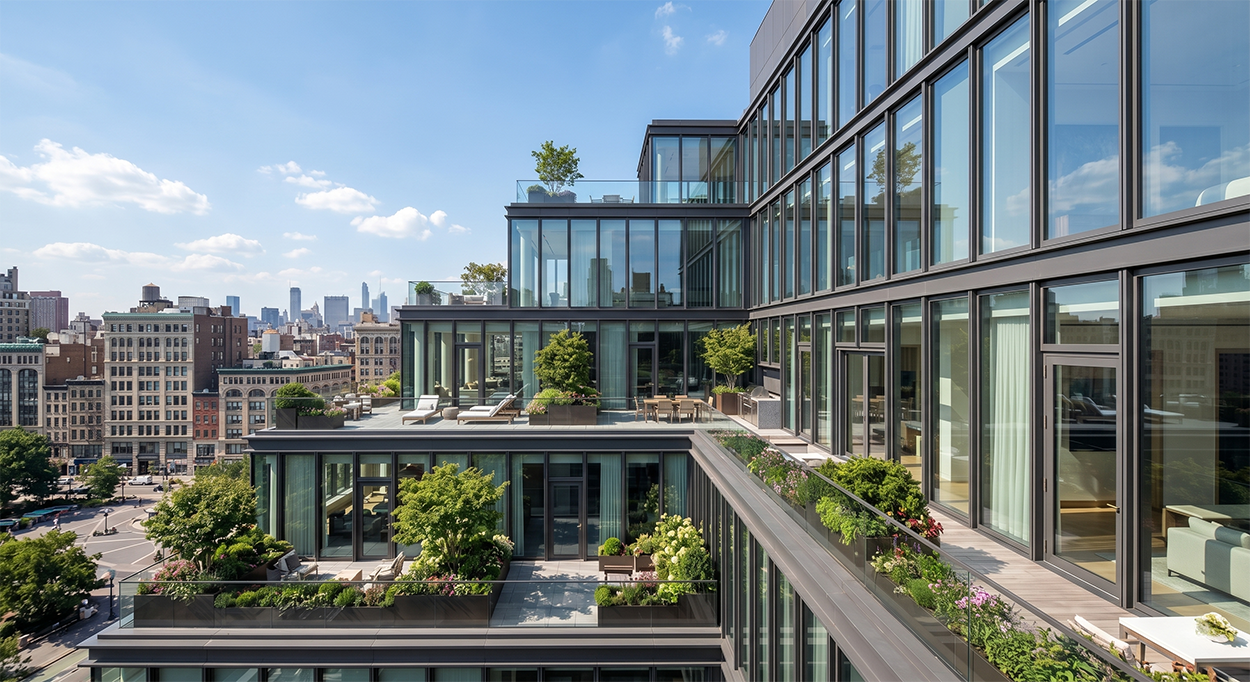
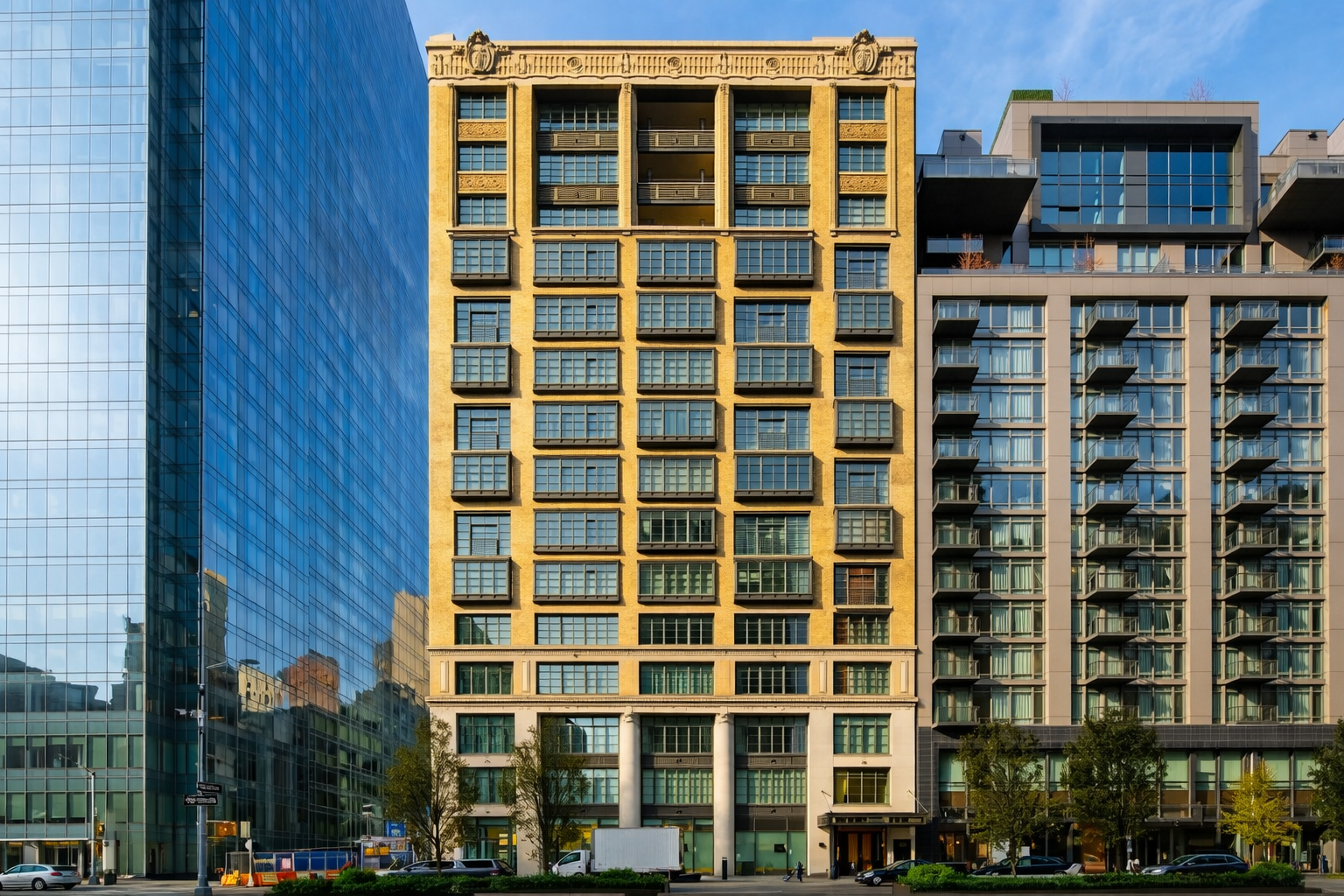
The 2008 conversion preserved the original Kellum cast iron arches and the 16-foot ceilings of the 1870 base, then added six contemporary floors above. ODA Architecture wrapped the entire structure in a layered glass and dark anodized aluminum envelope that exposes the landmark steel rather than concealing it.
-
Systems were installed for residential use, not retrofitted from office. After roughly eighteen years of operation, the envelope and base building remain in good condition, with the usual emphasis on long-term capital reserves, as any boutique condo warrants.
Undivided Assessment · Union Square · Value Index: C (78/100)
15 Union Square West: A Landmark Conversion with Park Frontage, Boutique Scale, and Real Carrying Cost
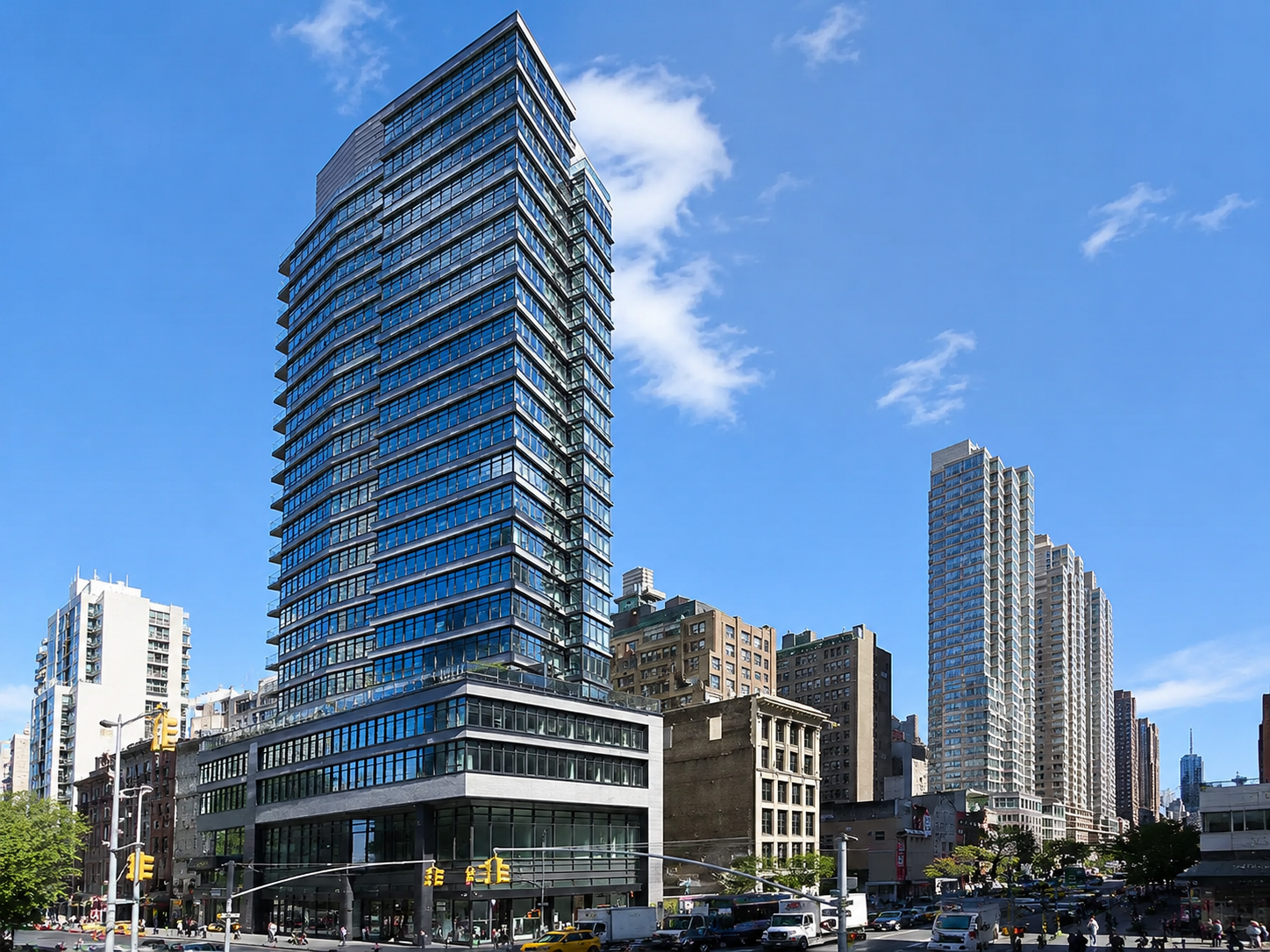
15 Union Square West is a 36-unit boutique condominium that adapts John Kellum's 1870 Tiffany and Company headquarters into a contemporary residence wrapped in a layered glass and dark anodized aluminum skin.
-
Supply profile: At only 36 residences, supply is genuinely scarce, but the same boutique count concentrates building costs onto a small owner base.
-
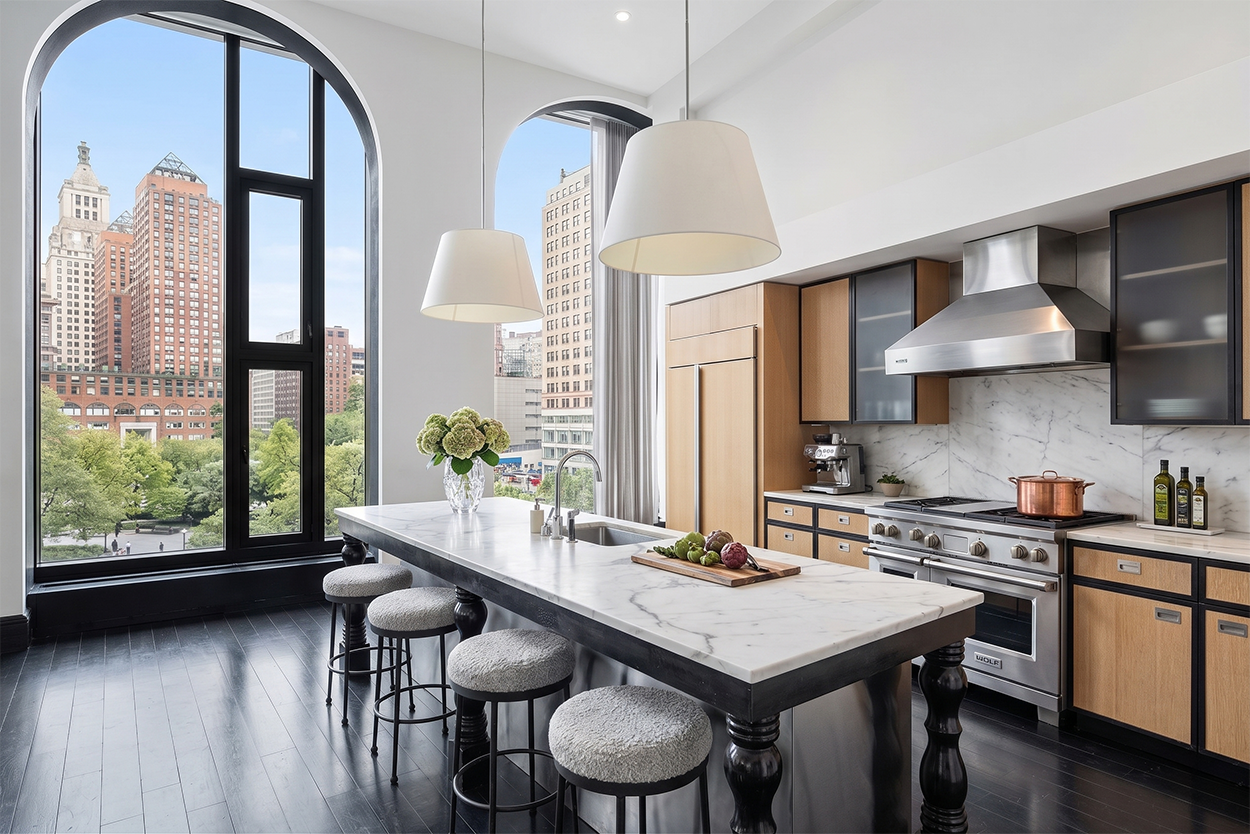
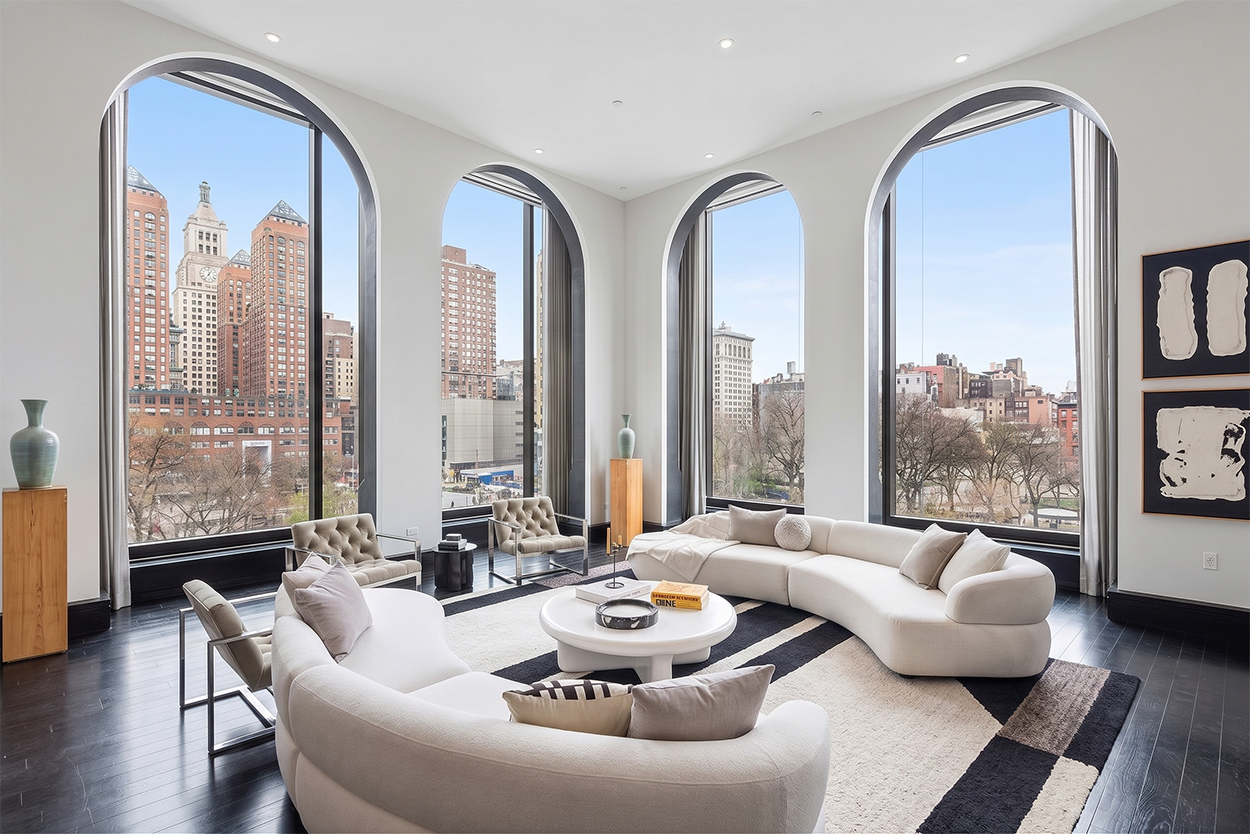
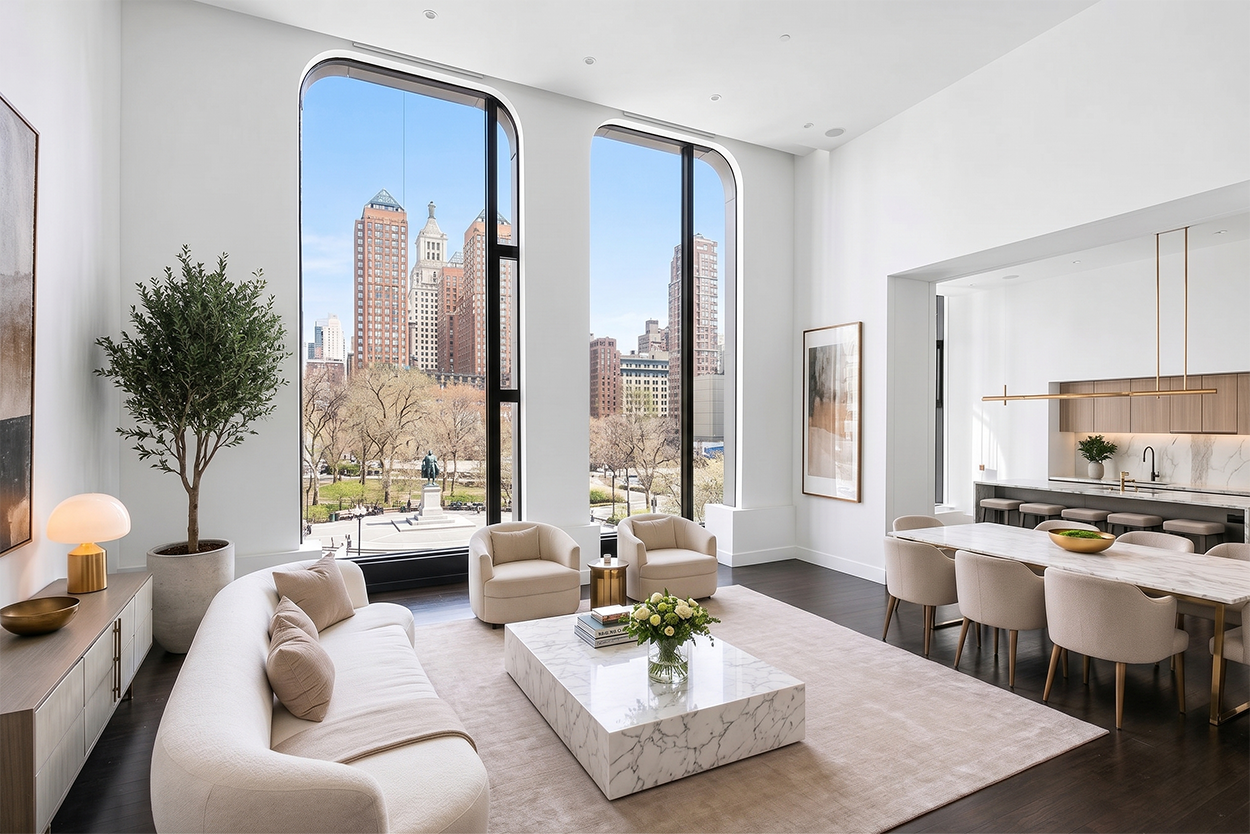
Layout advantage: Cantilevered floor plates and the preserved 16-foot original arches produce volumes that are difficult to replicate in newer condo product around Union Square.
-
Design and architect quality: Designed by Eran Chen of ODA Architecture with Perkins Eastman, interiors by Vincente Wolf, with a landmark cast iron base preserved behind the glass envelope.
-
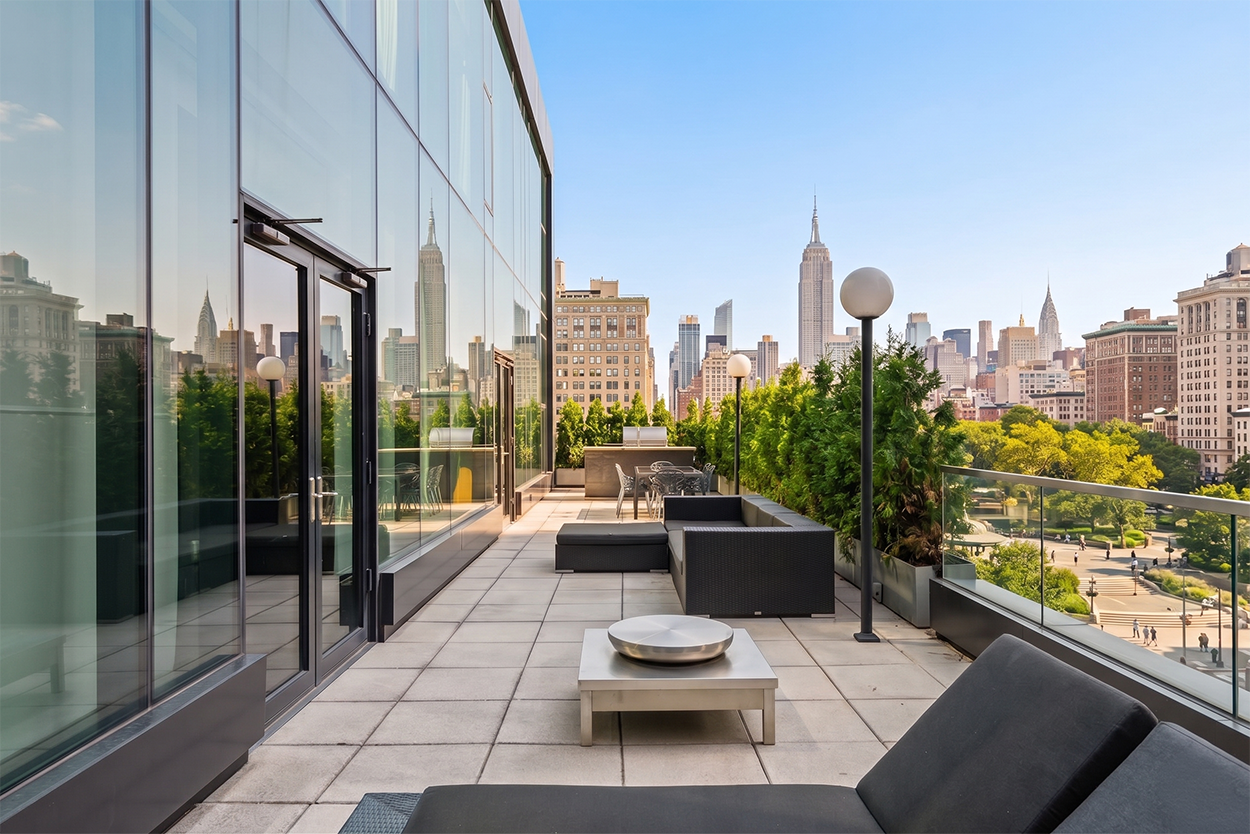
Location asset: Direct frontage on Union Square Park with immediate access to the 4, 5, 6, L, N, Q, R, and W lines and one of Manhattan's densest retail and dining corridors.
15 Union Square West is one of the few condominiums in lower Manhattan where the architecture itself is the case. The 1870 Kellum cast iron base is intact and visible behind ODA's layered glass envelope, and the cantilevered floor plates create ceiling heights and view corridors that newer construction around Union Square cannot match. Build quality at the time of conversion was high, systems were sized for a residence rather than retrofitted from office, and the boutique 36 unit count gives every owner a meaningful piece of the original landmark. The building presents as immediately distinctive in a dense corridor, and the interiors are both spacious and voluminous in a way that has not aged.
The investment case rests on scarcity, location, and irreplaceable identity. Union Square is one of Manhattan's most transit-dense and retail-dense intersections, and direct park frontage at this scale is genuinely rare. The honest caveat is the carrying cost. With only 36 residences absorbing a full amenity program of pool, fitness, sauna, jacuzzi, doorman, concierge, and resident manager, common charges run higher than peer boutique product and put downward pressure on resale pricing. From firsthand observation in the corridor, it is not yet clear that pricing in the building has stabilized, and there may be more give before the floor is set. A buyer should underwrite the carrying cost honestly and treat the architecture and the address as the long term value, not the near term appreciation.

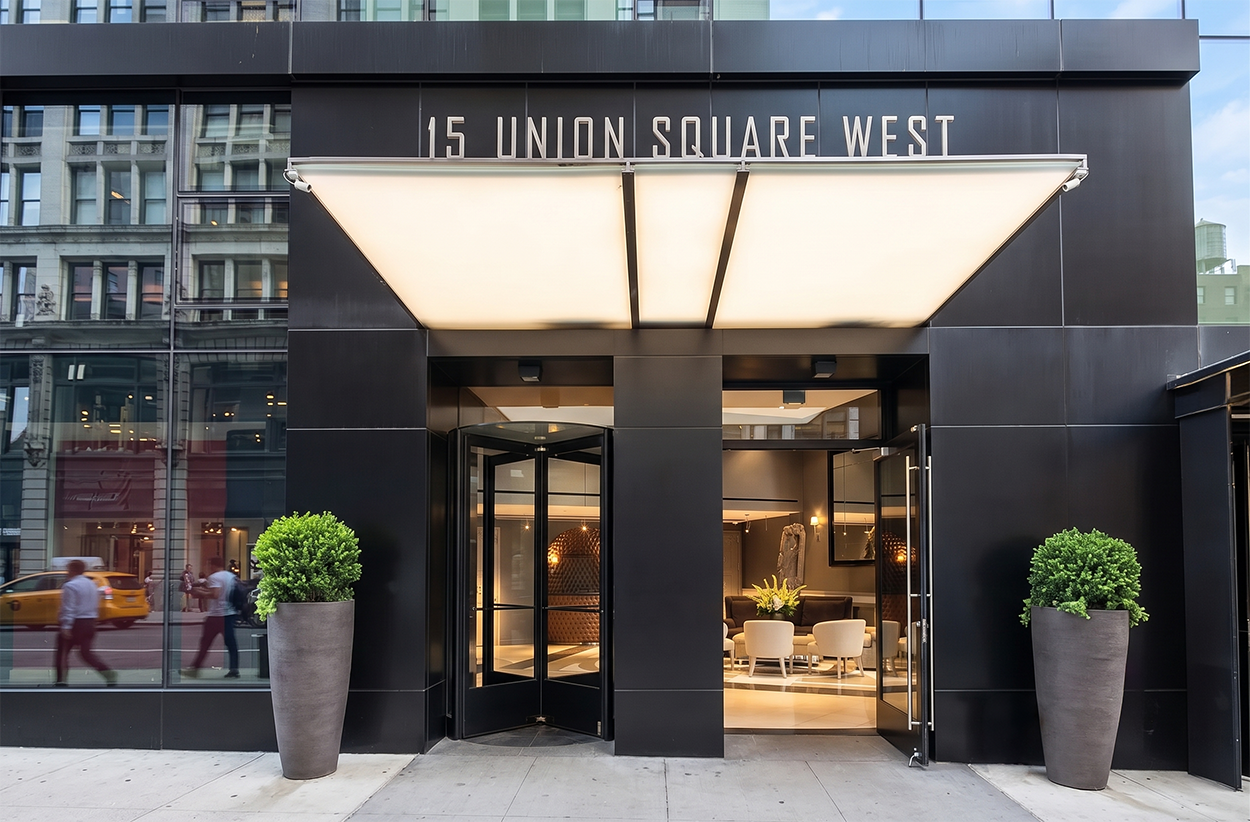
15 Union Square West
A design-forward boutique condominium on Union Square Park suited to a buyer who values architecture, scale, and centrality more than amenity efficiency or near term appreciation.
-
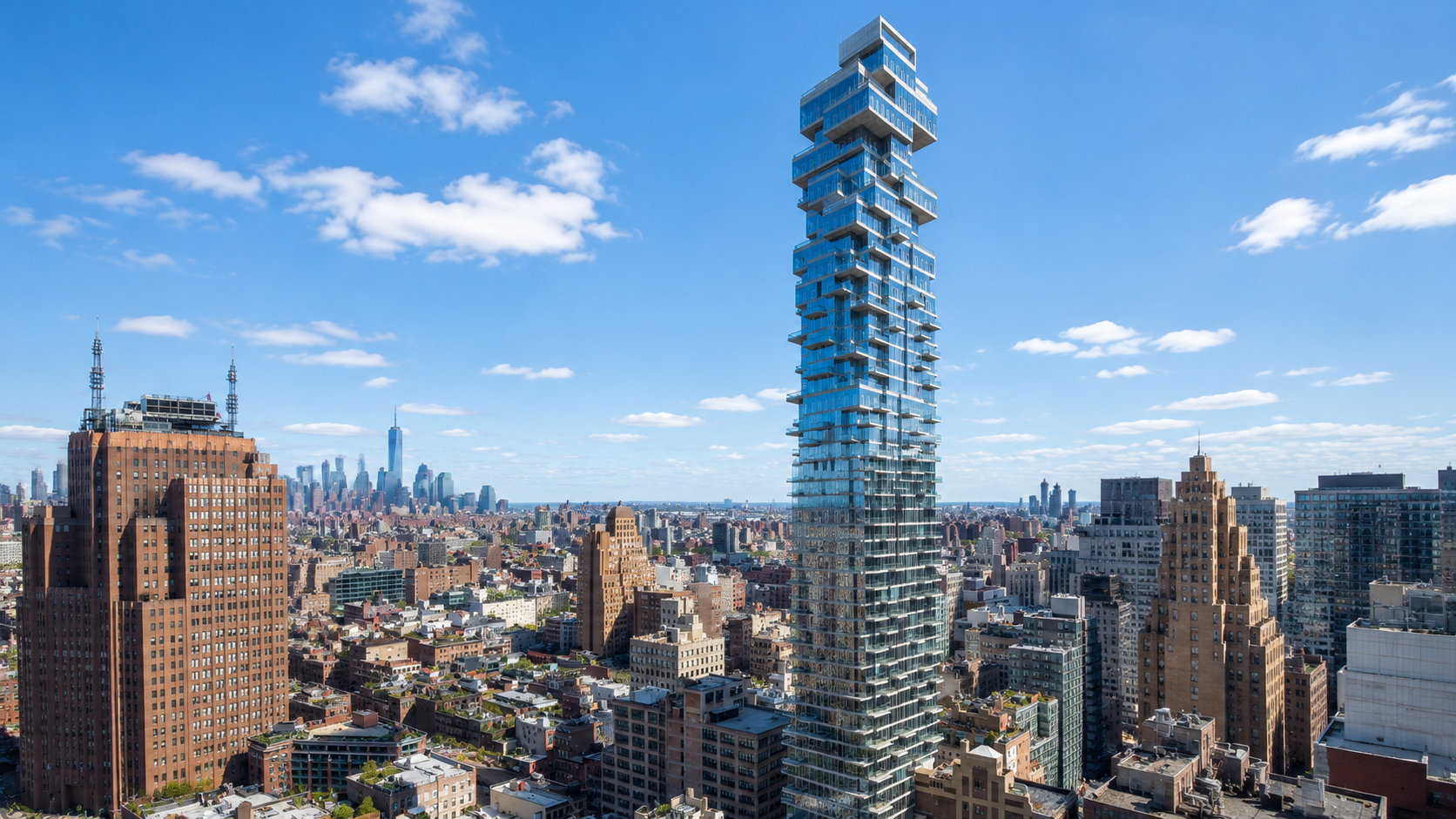
The ODA design uses shifted floor plates and cantilevers to give each residence a distinct footprint and unobstructed sight lines toward Union Square Park. Ceiling heights at the base floors reach 16 feet, well above what current code minimums produce in new construction.
-
The result is a unit mix that lives larger than its square footage and view corridors that newer towers on the Square cannot replicate.
-
Eran Chen of ODA Architecture led the residential design with Perkins Eastman as collaborating architect. Interiors are by Vincente Wolf, whose work emphasizes proportion and material restraint over decorative flourish.
-
The exterior expression is direct and confident. Inside, the volumes carry the design rather than the finishes, which have aged better than the trim-heavy interiors of the same period.
-
The case is scarcity and location, not yield. There are only 36 residences in a building with direct frontage on one of Manhattan's most transit-rich parks, and the architectural identity is genuinely irreplaceable.
-
The honest counterweight is the carrying cost. High common charges and tax exposure compress resale velocity and have pressured pricing. A buyer here is paying for the architecture and the address, and should not expect amenity heavy boutique product to outperform on appreciation in the near term.
-
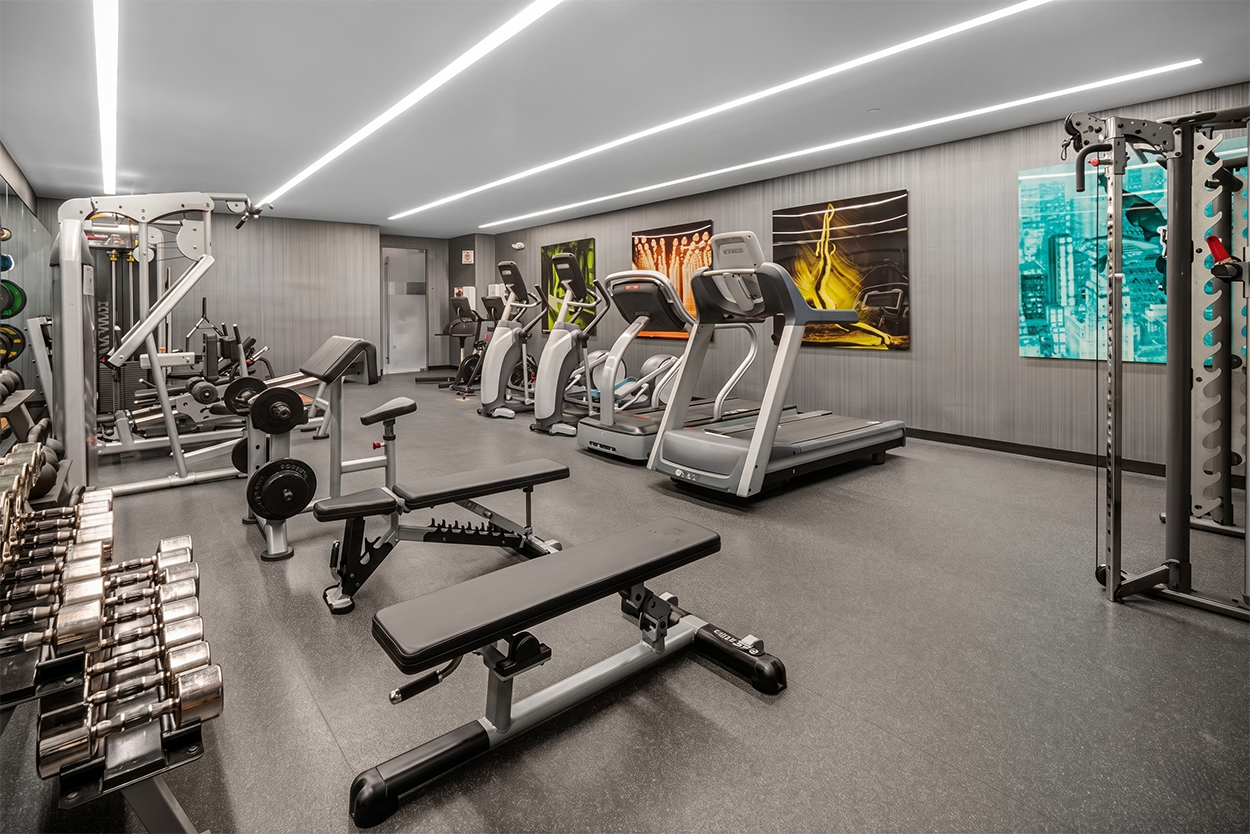
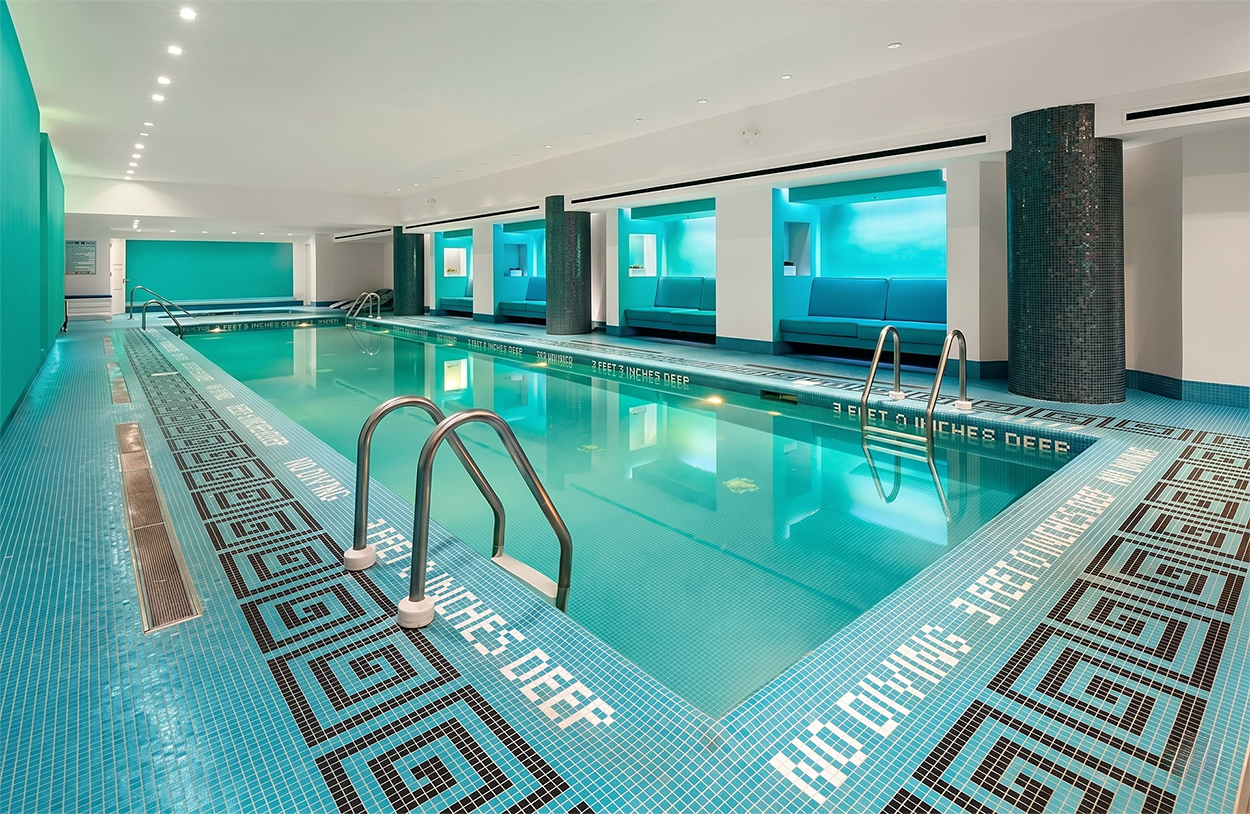
The building offers a lap pool, jacuzzi, sauna, fitness center, yoga and pilates studio, massage and treatment room, poolside cabanas, 24-hour doorman, concierge, live-in resident manager, bike room, private storage, and a parking garage on premises.
-
The amenity stack is comprehensive. On a per unit basis the math is heavy, which the score reflects honestly.
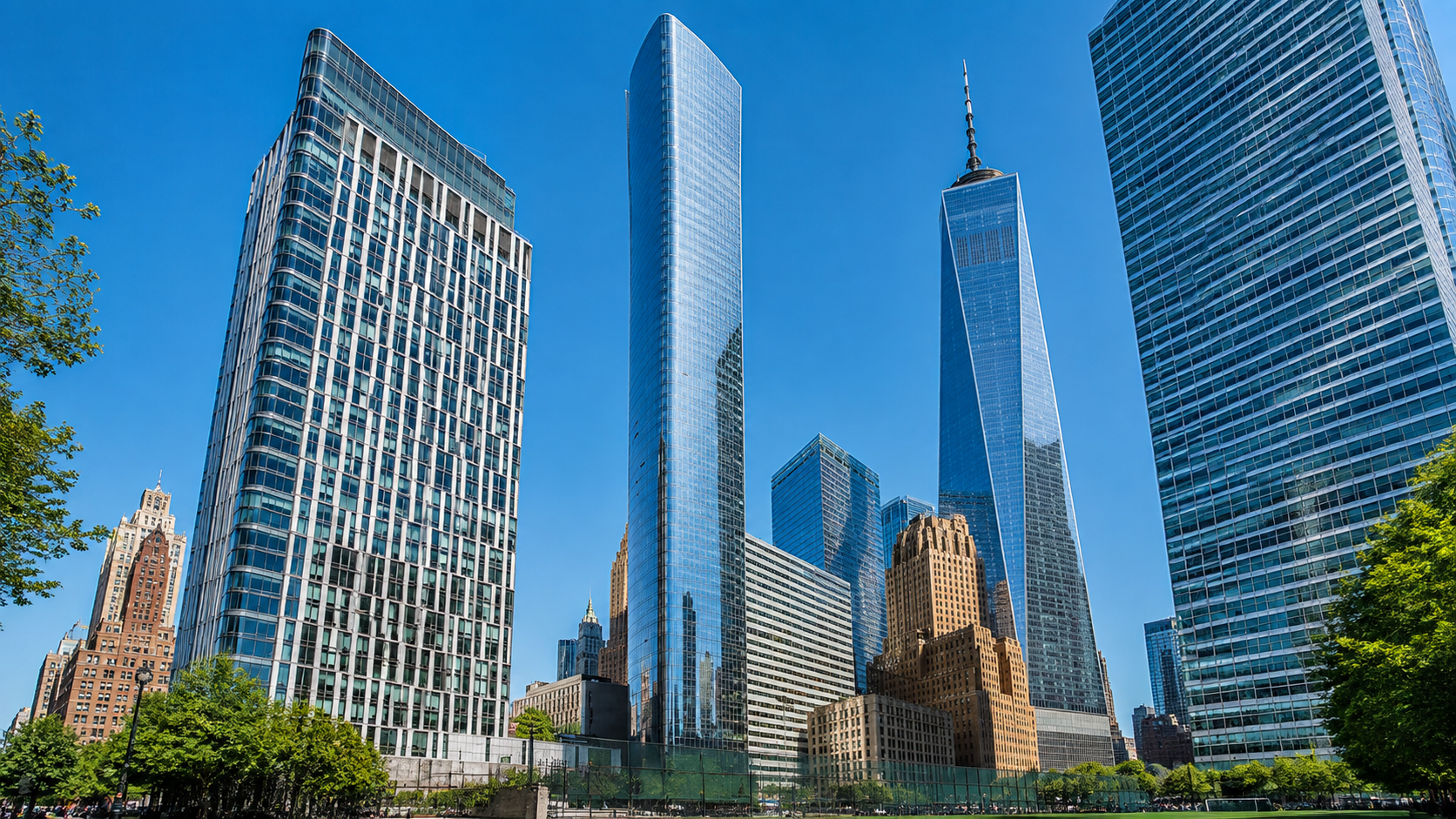
Union Square, in the Flatiron District, is one of the most strategically anchored locations in Manhattan. It sits at the intersection of eight subway lines, hosts the city's most active greenmarket, and pulls anchor retail from Whole Foods to Trader Joe's to The Strand into a continuous flow of pedestrian traffic. That density supports steady rental absorption and a deep resale buyer pool. Direct park frontage at this address is a permanent positional advantage that new product on the perimeter cannot reproduce.
Explore other buildings