-
Related Companies completed the building after Slazer Enterprises ran into financial difficulty in 2010. That history is worth knowing, but it ultimately produced a more carefully supervised finish than many original-developer projects.
-
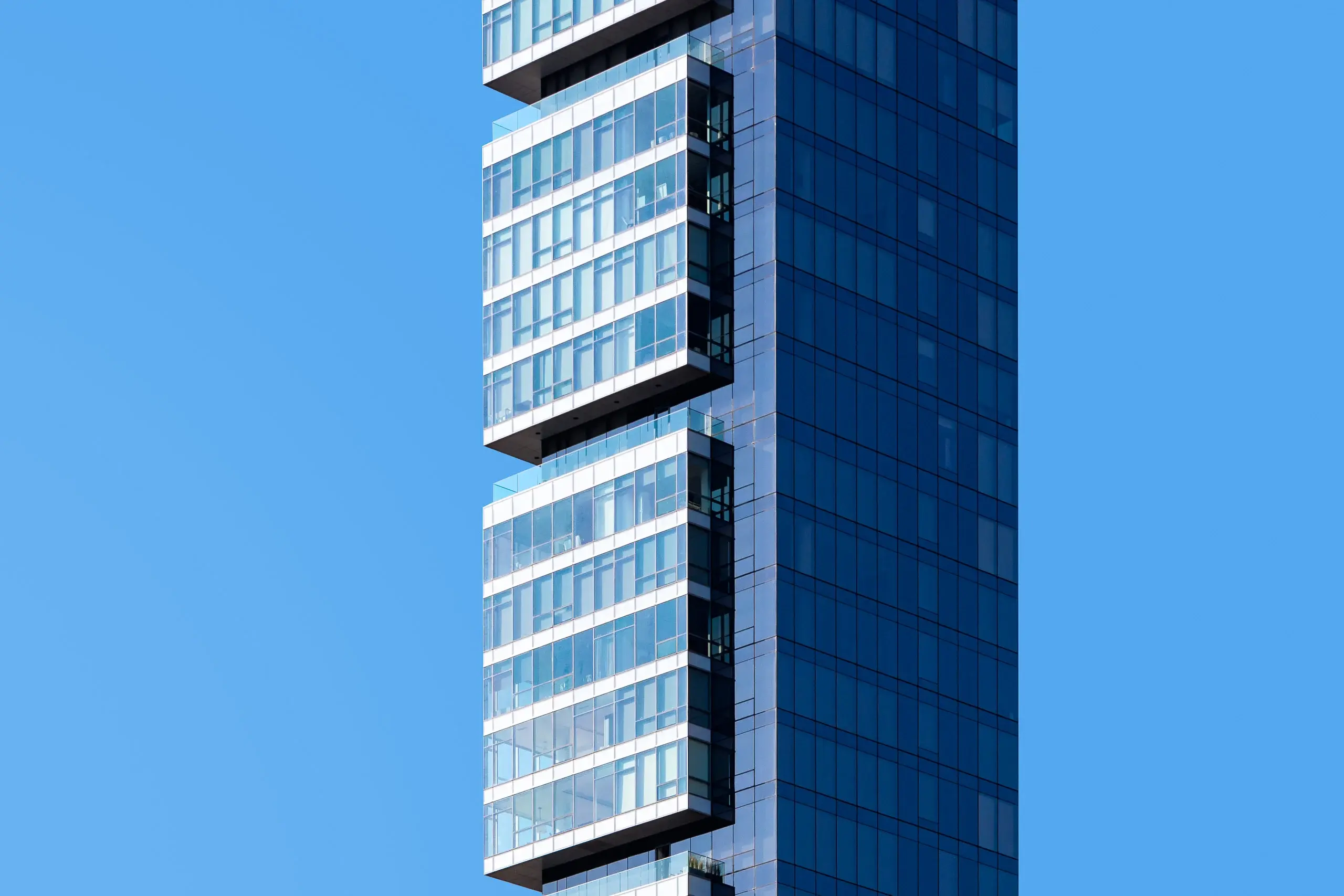
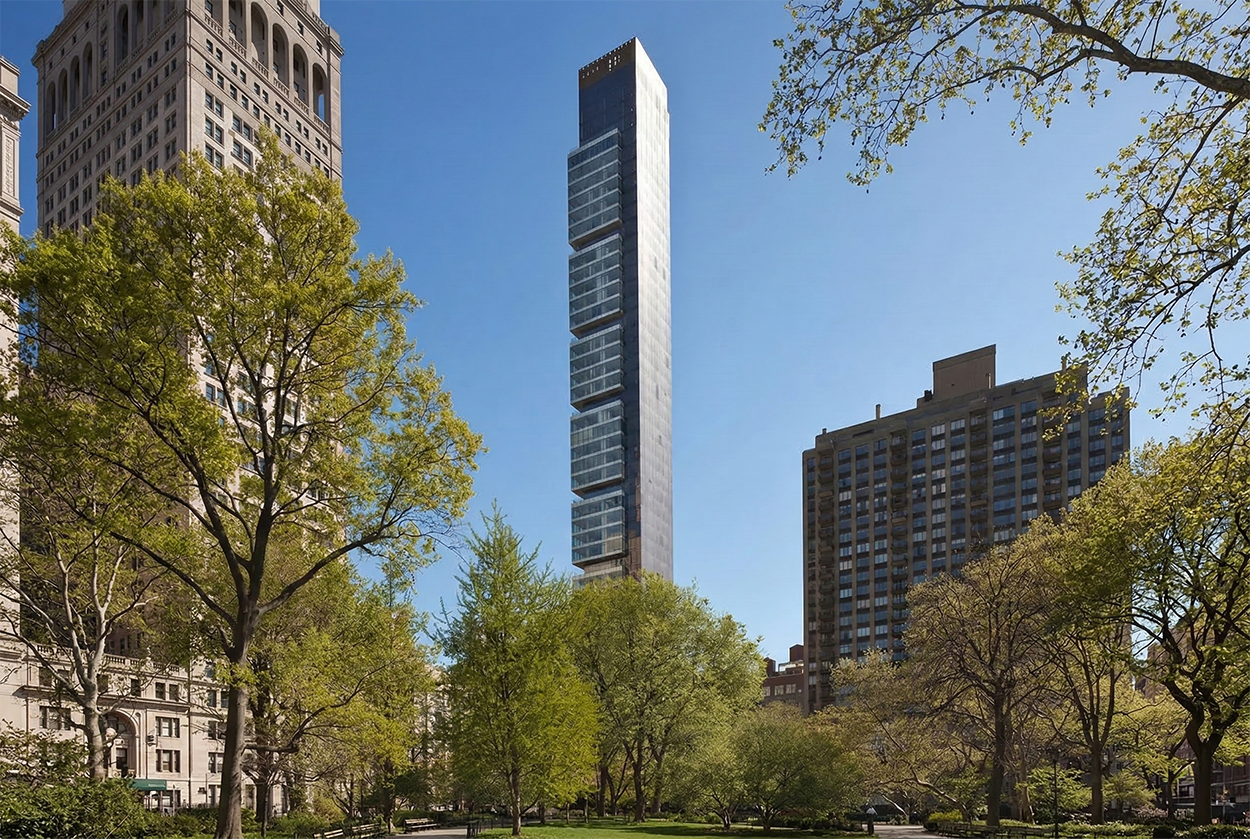
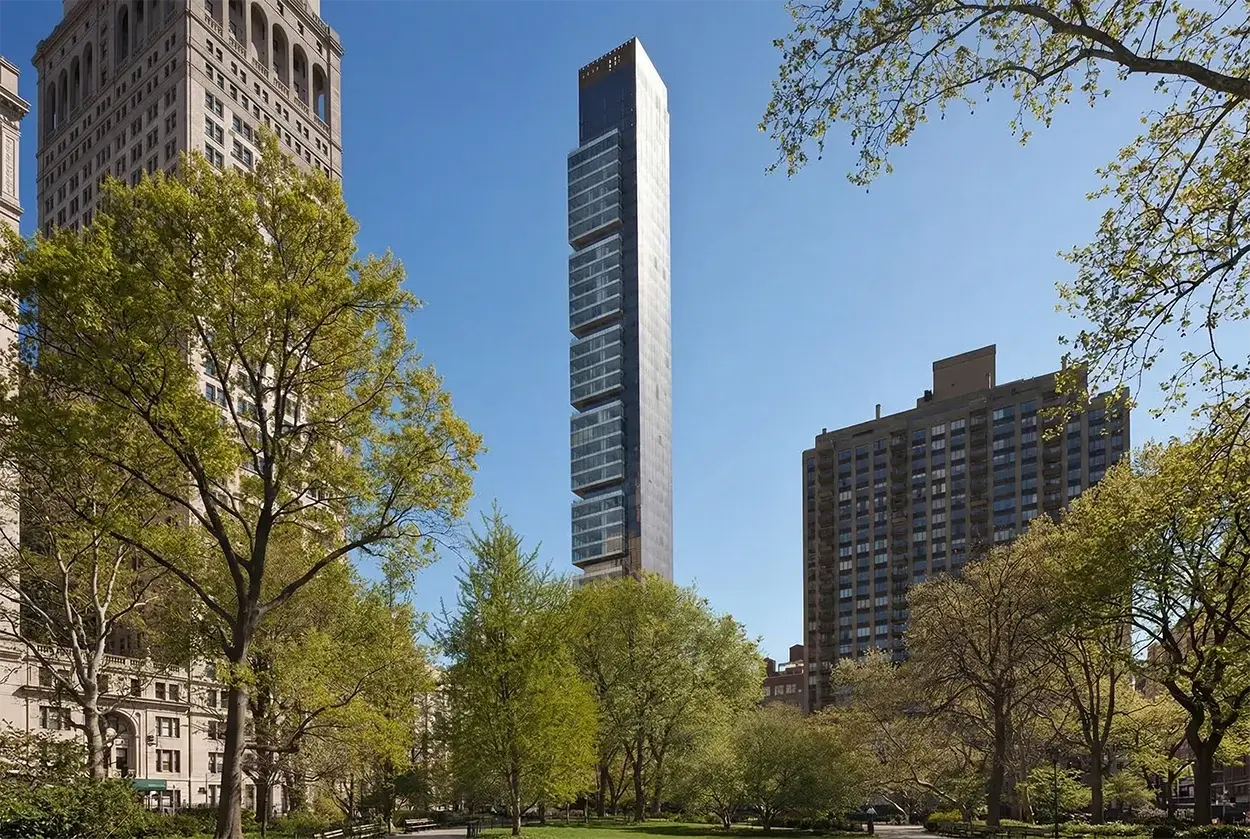
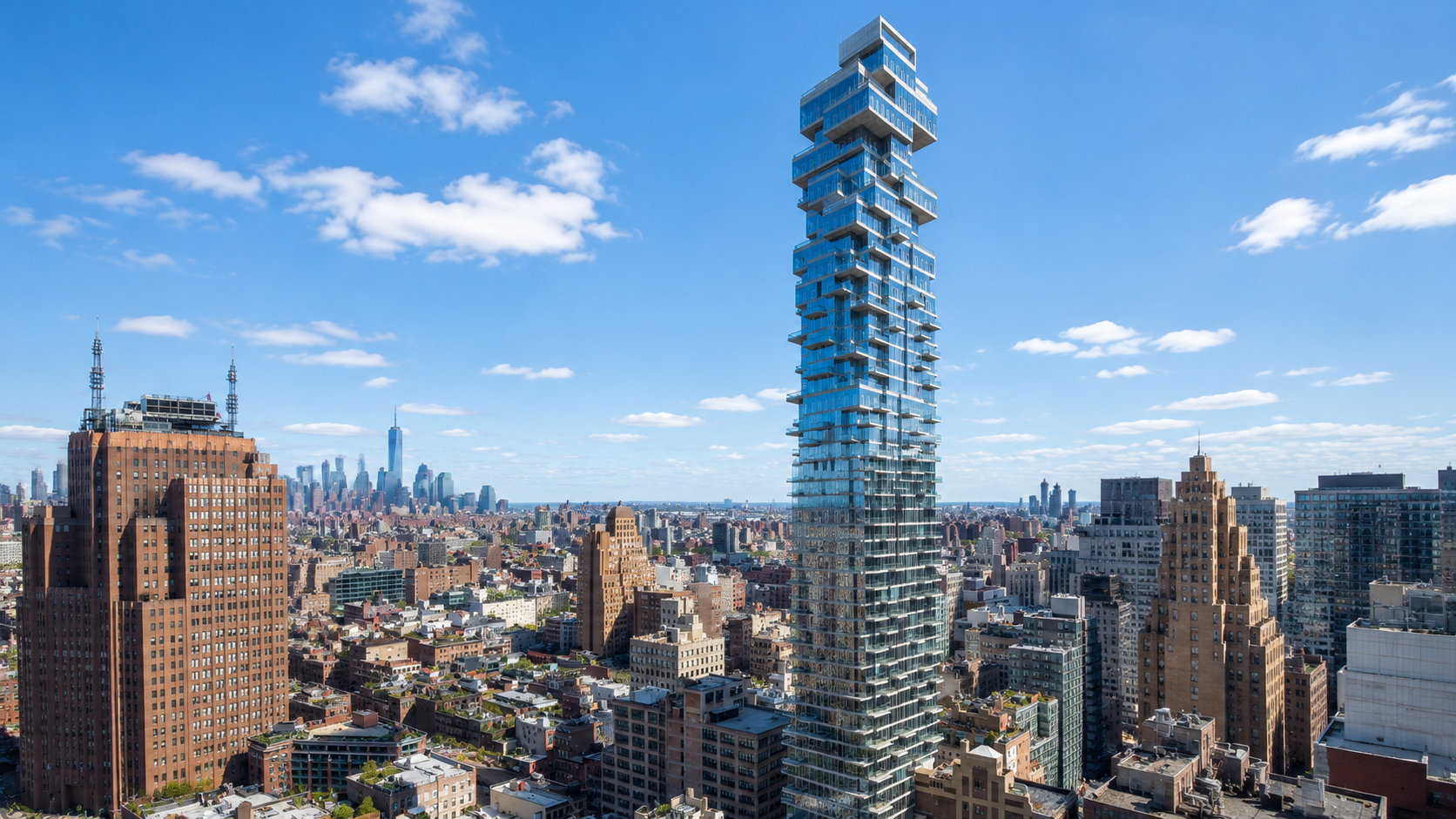
CetraRuddy's architecture has aged without embarrassment. The slender glass profile and seven signature pop-out facade elements remain visually distinctive more than a decade after completion.
Undivided Assessment • Flatiron District • Value Index: B (79/100)
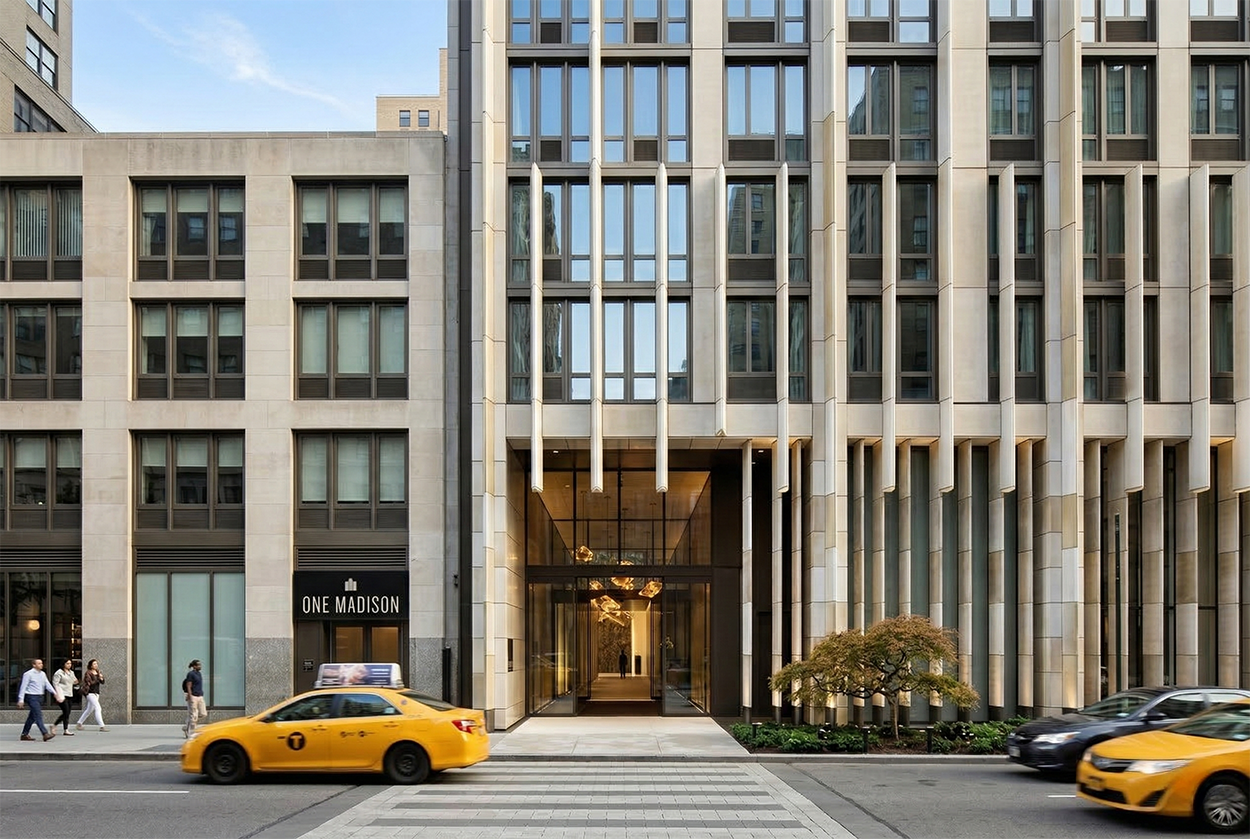
23 East 22nd Street is a 60-story slender glass tower at the southern edge of Madison Square Park: architecturally commanding, amenity-rich, and sufficiently scarce that each available residence draws real attention.
-
51 residences across 60 stories give the building one of the lowest unit-to-floor ratios in Manhattan, which keeps supply tight and the resident profile closely held.
-
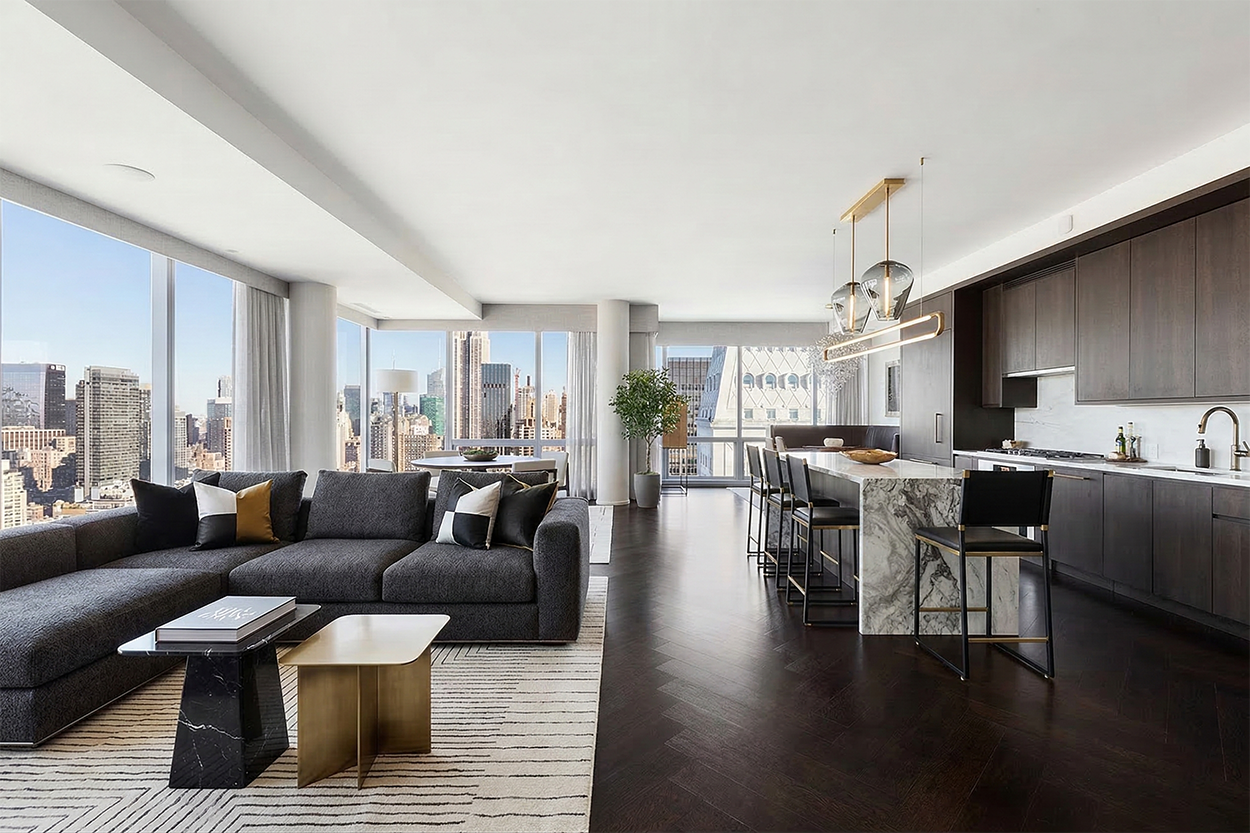
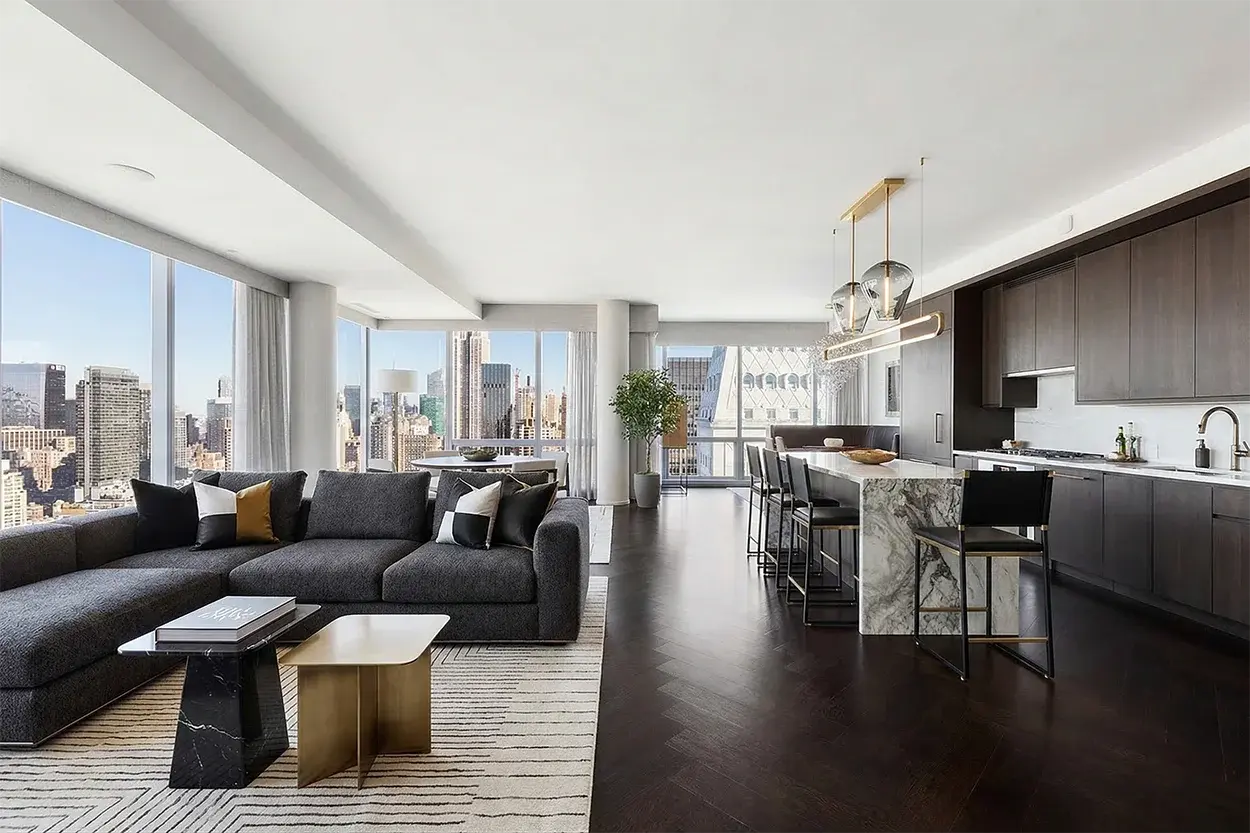
Layouts are generous by luxury high-rise standards, with 10 to 11-foot ceilings, floor-to-ceiling glass, open-plan kitchens, and corner or wraparound terraces on select floors.
-
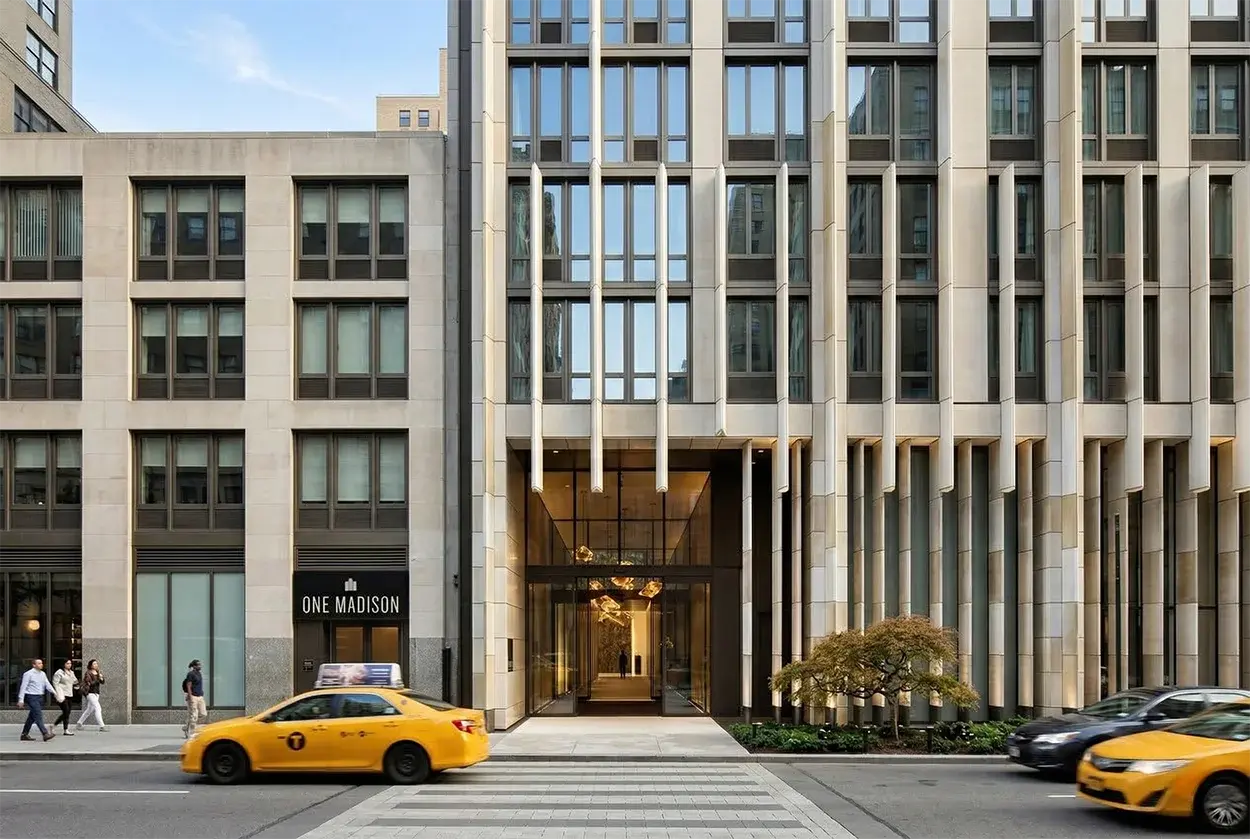
CetraRuddy's architecture and Yabu Pushelberg interiors deliver a level of finish that holds up over time. This is not a building where the lobby reads dated a decade in.
-
The location sits at the convergence of Flatiron, NoMad, and Gramercy. All three neighborhoods have demonstrated sustained liquidity, and Madison Square Park is among the most stable residential anchors in lower Manhattan.
23 East 22nd Street delivers on the fundamentals that matter structurally: a well-regarded developer backstop in Related Companies, a coherent design program that CetraRuddy and Yabu Pushelberg executed with genuine intention, and an amenity offering called The One Club that remains one of the more complete residential programs south of 42nd Street. The building is small enough that management stays personal and supply stays contained. None of that has changed since the tower opened.
For buyers evaluating with an investment lens, 23 E 22nd Street performs unevenly across the equation but ultimately holds its position through location dominance and sustained buyer appeal. Financial fundamentals are less efficient than some comparables, reflecting its trophy status and pricing premium, yet this is offset by strong resale liquidity, consistent demand for park-facing units, and a globally recognizable profile.
The investment case requires honest scrutiny on multiple fronts. The public appreciation record at the top of the building shows real ceiling compression: Rupert Murdoch sold a penthouse in late 2024 for $23.8M after paying $43M in 2014. Common charges ranging from $3,320 to $16,464 per month represent a meaningful carrying cost. And the building's NYC Energy Efficiency Grade of “D” with a Score of 3 out of 100 places it near the bottom of the city's benchmarking scale. That last point matters not just for operating costs but for forward-looking exposure under Local Law 97, which imposes carbon penalties on underperforming buildings starting in 2024. For buyers who want to live here and are underwriting the location and the lifestyle rather than the return, One Madison remains a credible choice. For buyers whose primary frame is appreciation or cost efficiency, there are buildings in the neighborhood that score better on both.

-
With only 51 units across 60 floors, most residents occupy a floor with no more than one or two neighbors. Several units have private elevator access or footbridge entry from the companion building: a level of separation that larger towers simply cannot offer.
-
Ceiling heights of 10 to 11 feet and floor to ceiling glass make even the smaller units feel architecturally considered rather than compressed.
-
Yabu Pushelberg's interiors hold a standard that does not date quickly. Material quality, proportion, and finish detail were given genuine attention throughout: wide plank white oak floors, Gaggenau appliances, and Calacatta marble appear across the building.
-
Amenity spaces originally conceived by Rem Koolhaas were reworked after the ownership transition, but the current One Club program reflects a similarly serious level of design intention.
-
The building's scarcity profile: 51 units, name recognition, and a park-facing position at the start of Madison Avenue provide a floor of demand that generically located towers do not have. This is not a building where supply floods the market.
-
Buyers should enter with realistic expectations. Common charges are high, and the upper-floor appreciation record warrants scrutiny. The Grade D energy rating is typical for glass towers of this vintage but worth monitoring for Local Law 97 implications. This building is best underwritten as a quality primary or pied-a-terre purchase, not a financial optimization play.
-
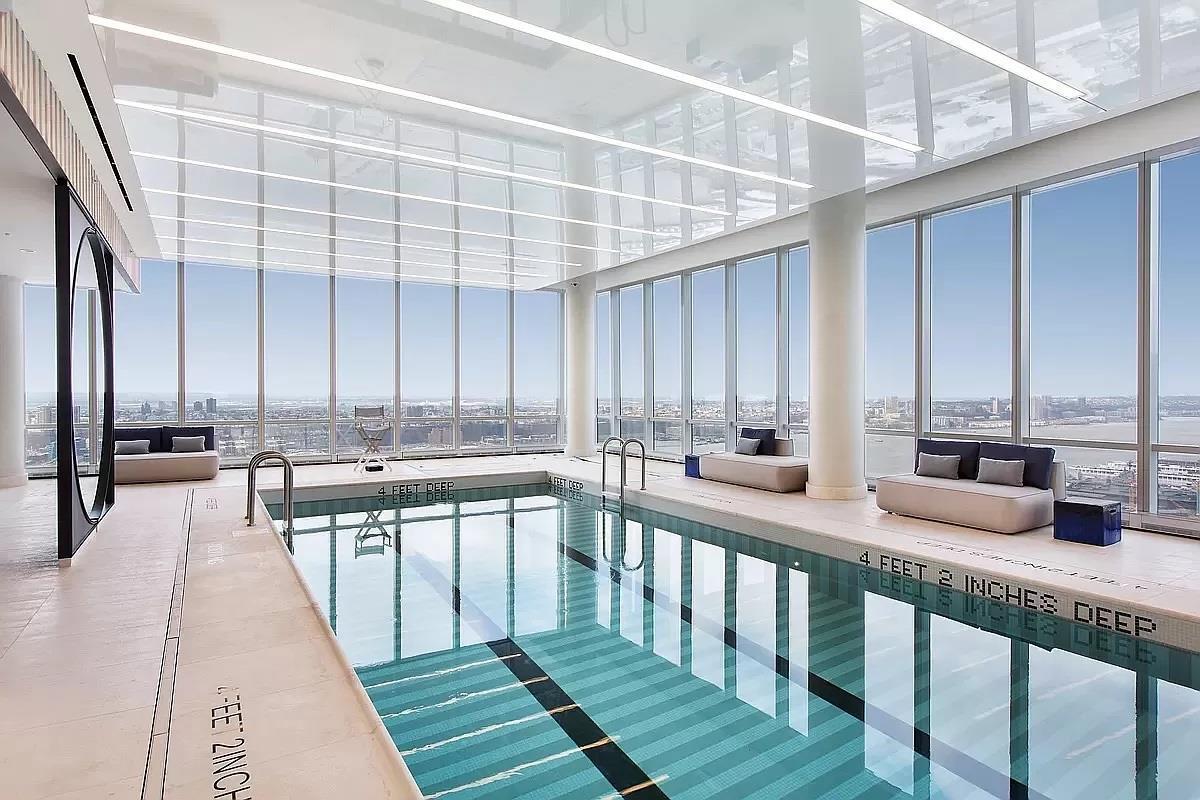
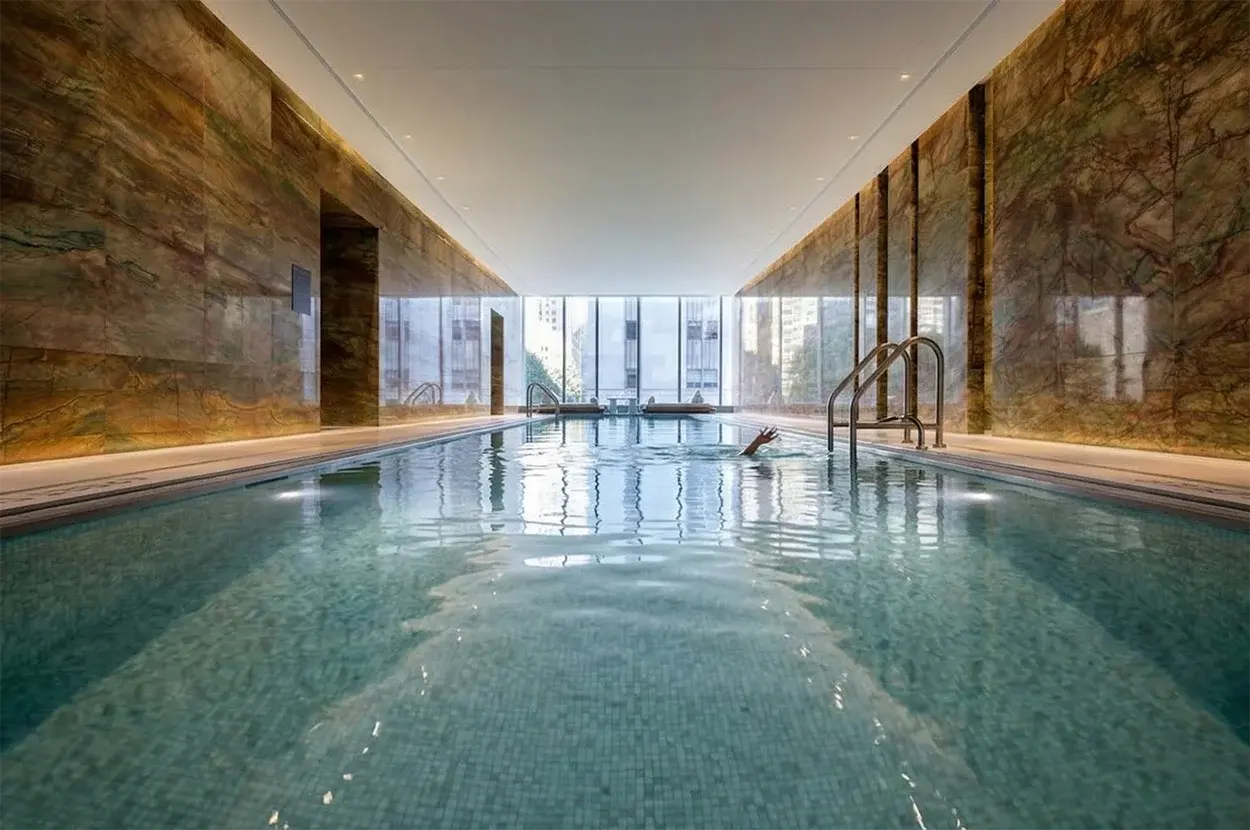
The One Club spans over 10,000 square feet and includes a 50-foot lap pool, glass-enclosed steam room overlooking Madison Square Park, full fitness center with yoga room, private screening room with butler service, private dining room with catering kitchen, parlor with billiards, wine cellar, children's playroom, and landscaped roof terrace.
-
24-hour doorman and full-time concierge service round out the staffing model. This is a building where the amenity program is actually used: the scale and design quality make that realistic.