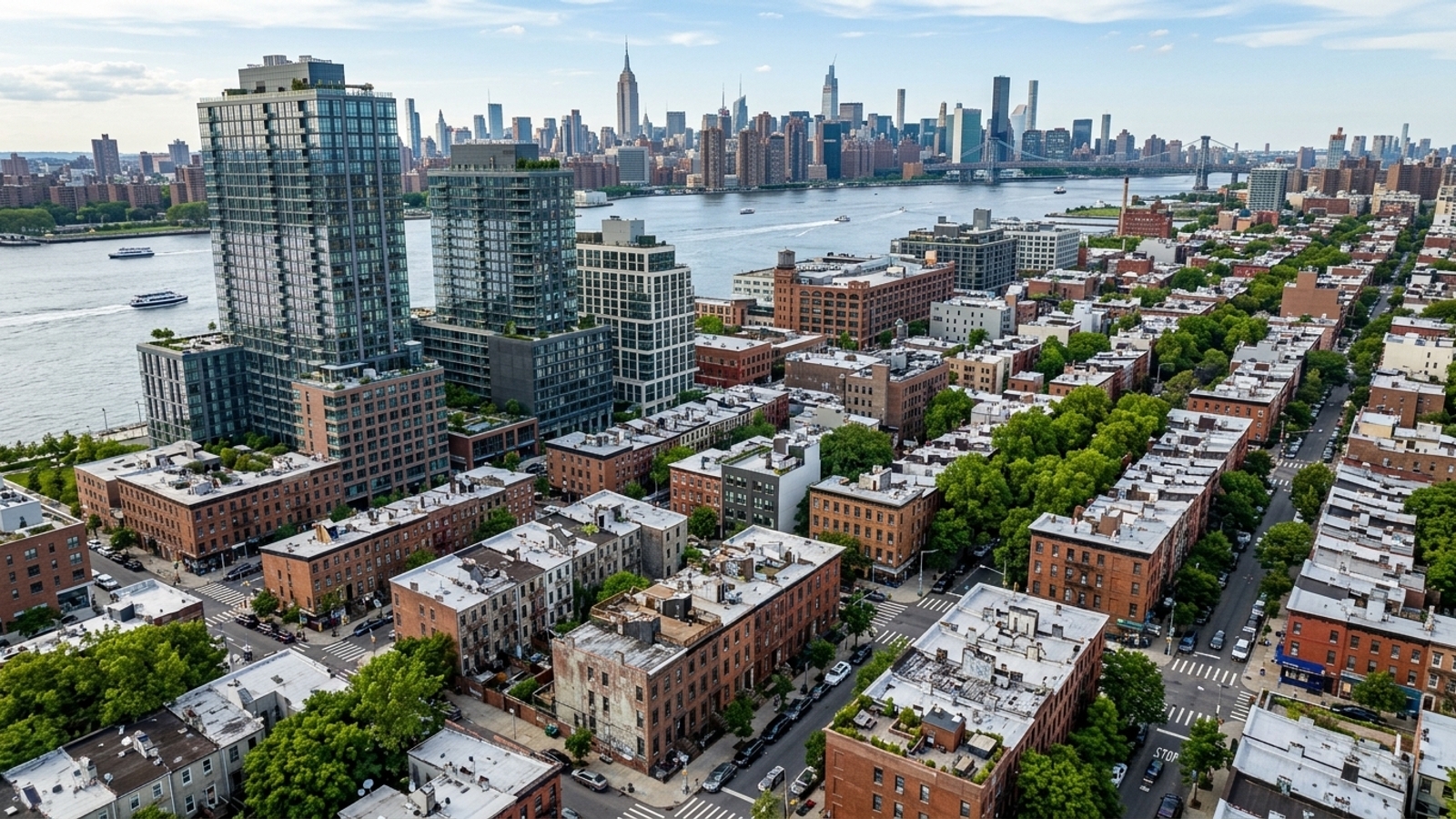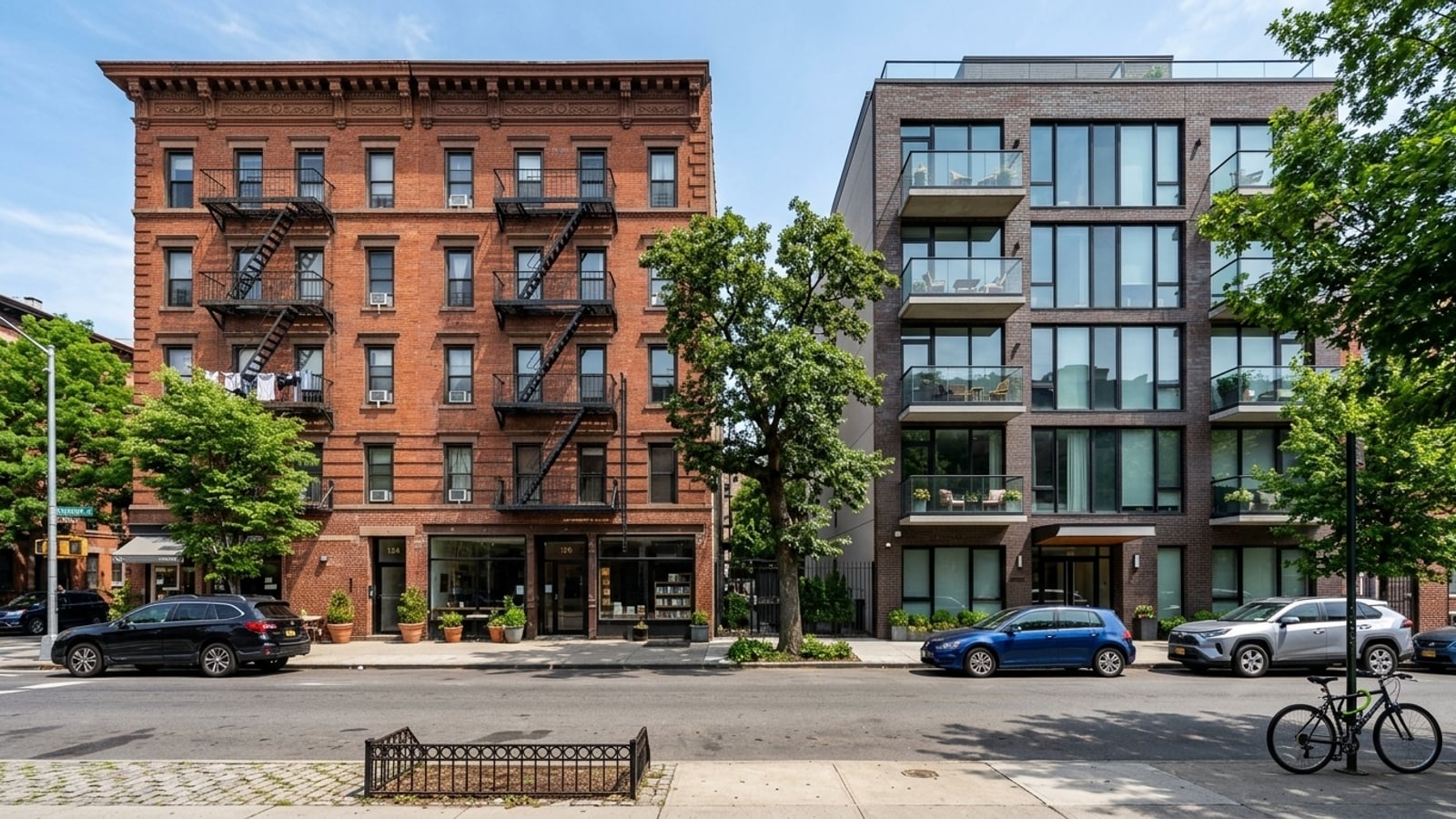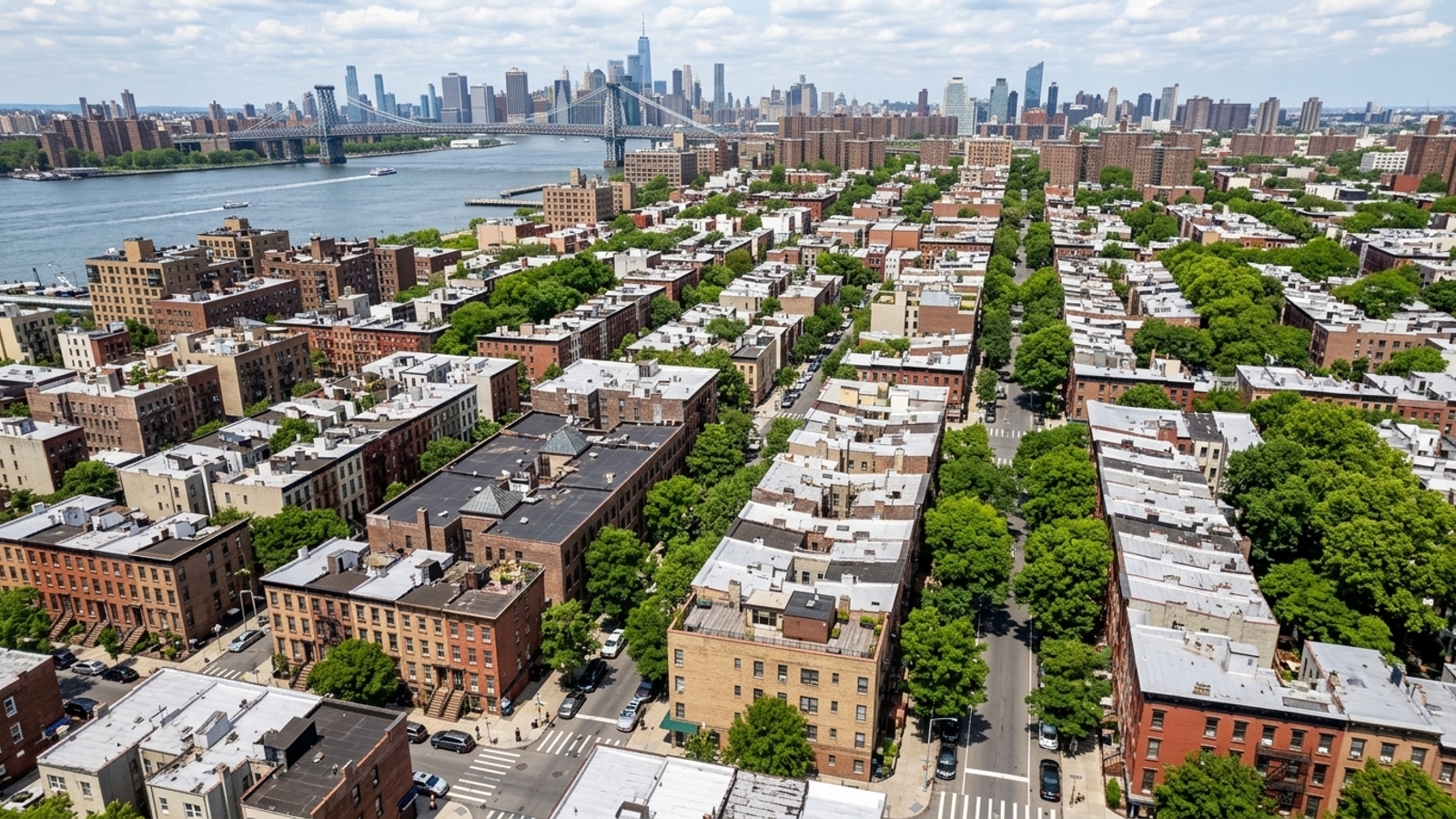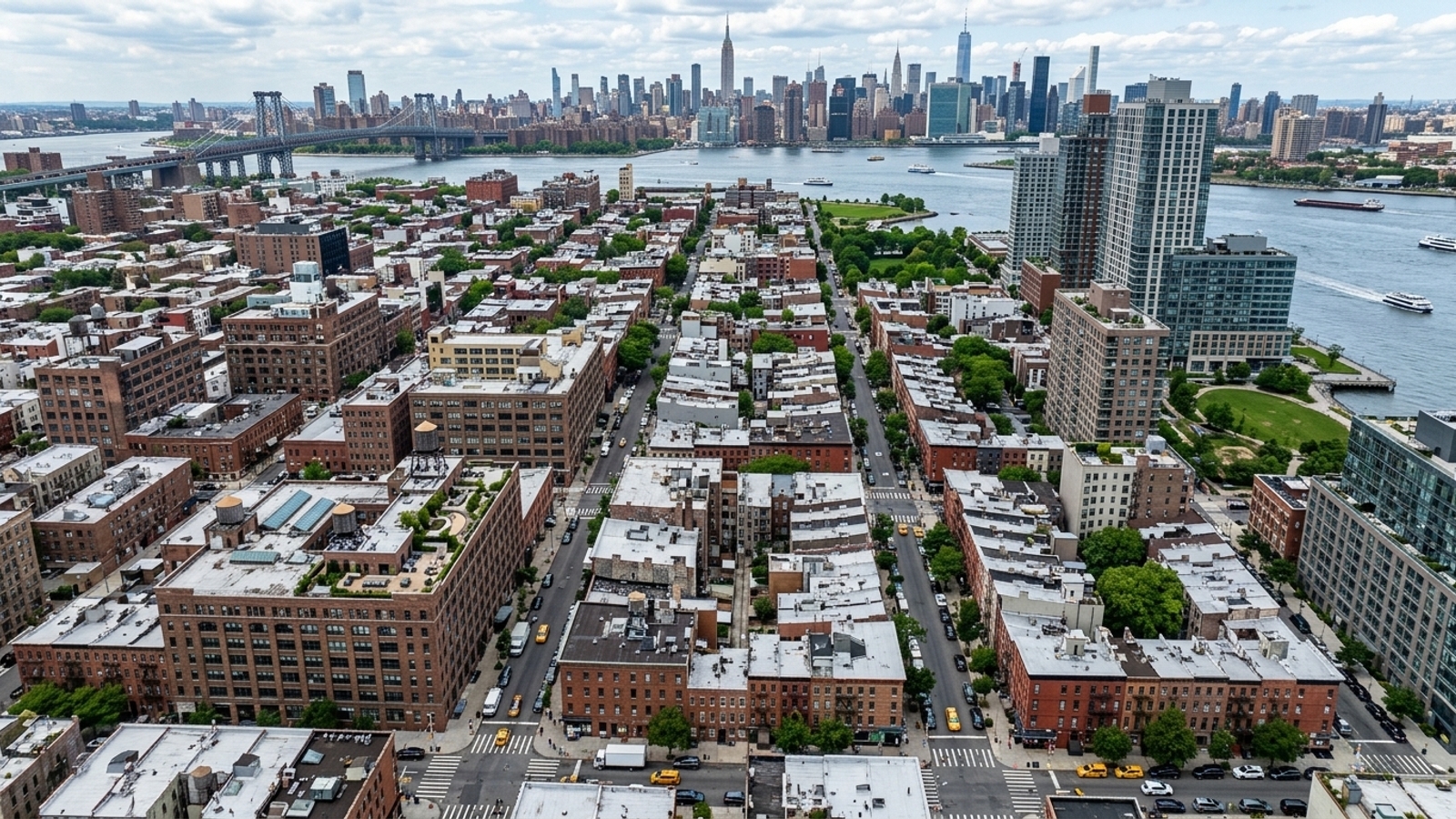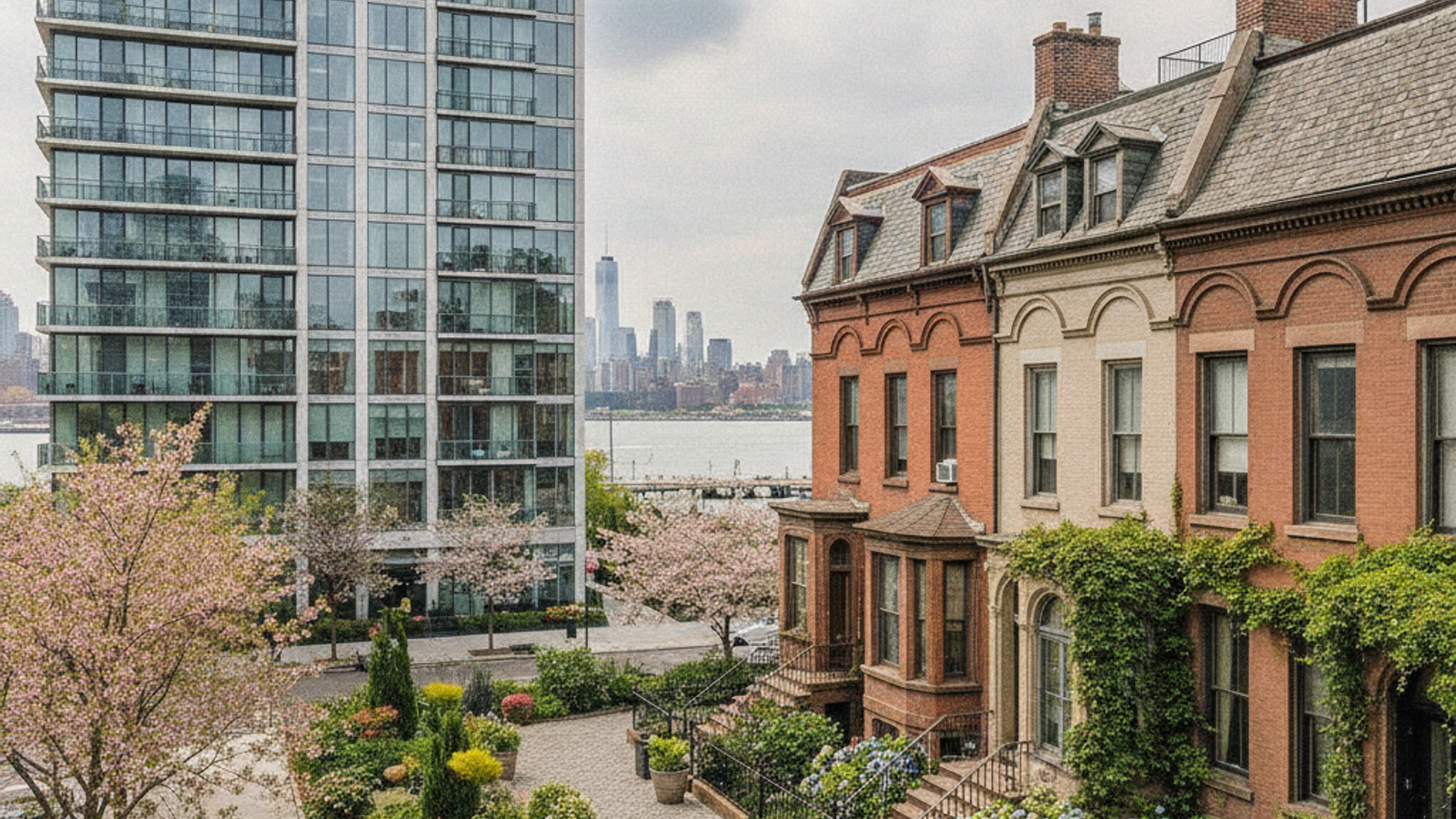
Williamsburg sits just across the water from Manhattan - a neighborhood where waterfront high-rises and century-old townhomes end up on the same block. That mix is part of what makes this market interesting, and part of what makes it complicated.
If you're serious about buying here, you need to understand how this specific market works before you start touring apartments. The ownership structures, the board processes, the tax abatements, the closing costs - none of it operates the way it does in most American cities, and some of it doesn't even operate the way it does across the bridge in Manhattan. What follows is a ground-level look at what you're actually getting into.
The Current Williamsburg Real Estate Market
Mid-2026 data puts the median sale price at approximately $1,741,894 - up roughly 14.5% year-over-year. That's not a blip. That's sustained demand from buyers who keep choosing Williamsburg over comparable options elsewhere in the city.
There are about 186 homes available right now, which works out to a 4.6-month supply. Homes are sitting a median of 43 days before selling, and the average sale-to-list price ratio is 99.7%. In plain terms, anyone selling a home in Williamsburg is walking away with essentially their asking price. You should go in expecting that.
Understanding the Pacing and Competition
Nearly 18% of homes are selling above list price. That number matters - it means a meaningful share of buyers are getting into bidding situations, not just paying sticker. The market is also moving at a steady volume: 123 homes sold recently, month over month. Get your pre-approval done before you find the apartment you want, not after.
Entry-Level vs. Luxury Segments
There's a real split here. At the lower end of the pricing range, you'll see tighter competition and faster turnarounds - units that go quickly and don't wait around for second showings. The upper tier, which pushes well past that $1.74 million median, is where the new waterfront developments and large multi-family buildings live. Different buyers, different calculus, but competitive at both ends.
Property Types and Price Ranges
The types of homes in Williamsburg change block by block. You've got traditional co-ops, modern condos, and entire multi-family buildings - and each one comes with a different ownership structure, different monthly obligations, and a different set of rules about what you can and can't do with the property.
Your budget will do a lot of the sorting for you. It largely determines whether you're looking at an inland co-op or a new waterfront build with a doorman and a roof deck.
Condos and Co-ops
Condos are common in the newer buildings, and they're generally the more straightforward ownership experience - you own your unit, and renting it out is typically easier. Co-ops often come in at a lower purchase price, but there's a trade-off: you'll need to pass a board interview and work within the building's subletting rules. Either way, factor monthly maintenance fees or common charges into your full budget number from day one.
Townhomes and Multi-Family Properties
More space, potential rental income, and a higher price point. Townhomes and multi-family buildings sit at the upper end of the market. You'll also carry full responsibility for exterior maintenance and building upkeep - no building staff to handle any of it.
New Construction Developments
New projects keep adding units to the inventory. Roof decks, fitness centers, concierge service - the amenity lists are real. What buyers sometimes overlook is the tax abatement fine print. Review the specific abatement timeline on any new construction you're seriously considering, because when those programs expire, your monthly carrying costs will go up.
Where to Look Within the Area
The Williamsburg market runs from the waterfront back into Brooklyn, and the differences between the best neighborhoods in Williamsburg are meaningful - in price, in property style, and in what your daily life will feel like. Your commute priorities and your budget will narrow things down pretty quickly.
The waterfront commands the highest prices, full stop. Move inland and you'll generally find more traditional housing stock and slightly lower price points, though "lower" is relative and competition stays real throughout.
Waterfront Properties
The blocks closest to the water are dominated by luxury high-rises. You're paying for the Manhattan views and the newer construction, and the buildings tend to come with the amenity packages to match. If you're targeting this area, look into any specific insurance requirements that apply to waterfront properties before you're deep into a deal.
Inland and Bordering Neighborhoods
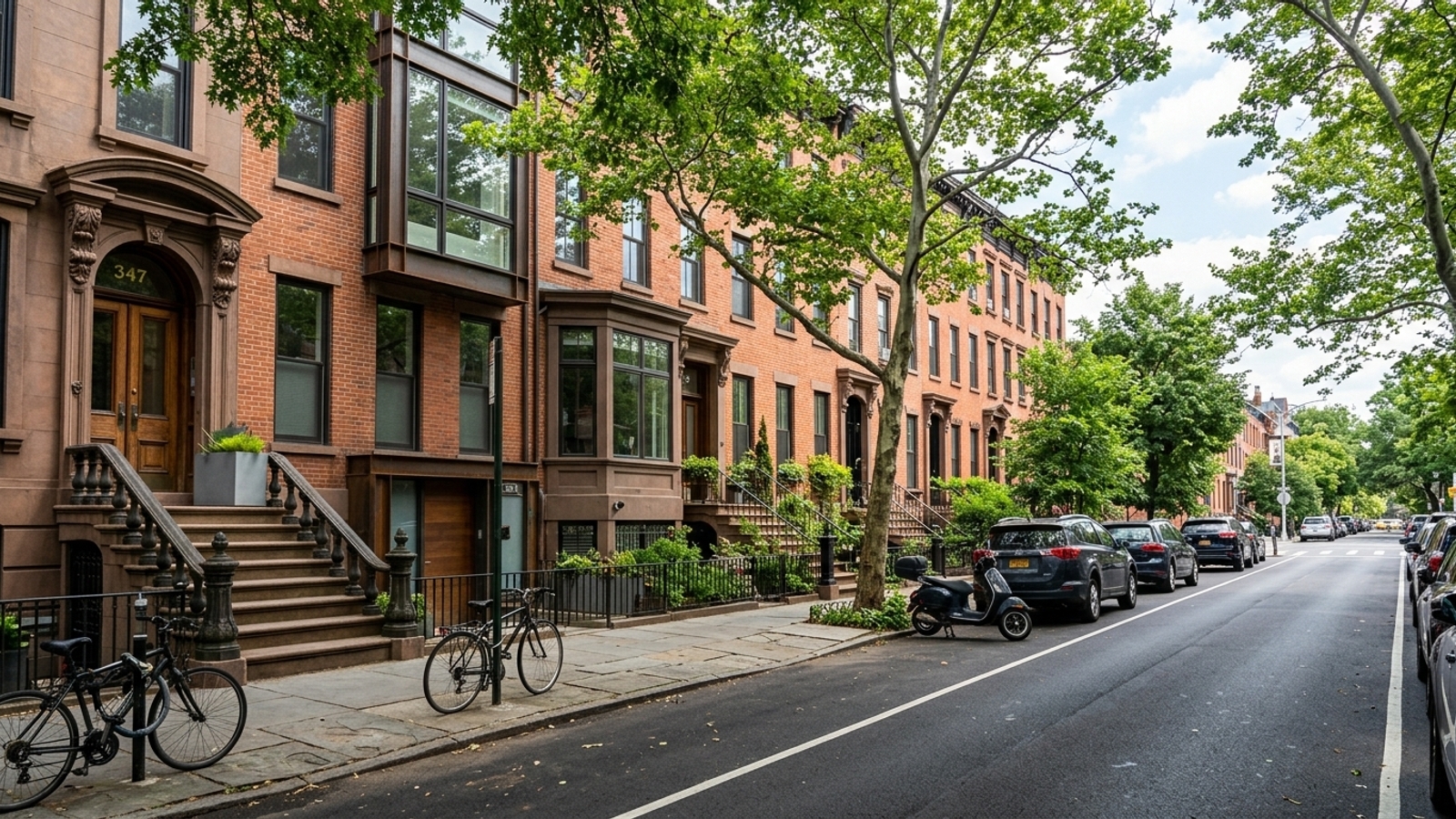
Further from the water - including areas that edge toward Greenpoint - you'll find more historic townhomes and smaller co-op buildings. The pace is different, and the pricing is generally more approachable than the immediate waterfront. Not cheap, but different.
Location Details and Getting Around
Williamsburg is directly across the water from Manhattan, and that proximity is central to how this market is priced. It's not incidental - it's the point.
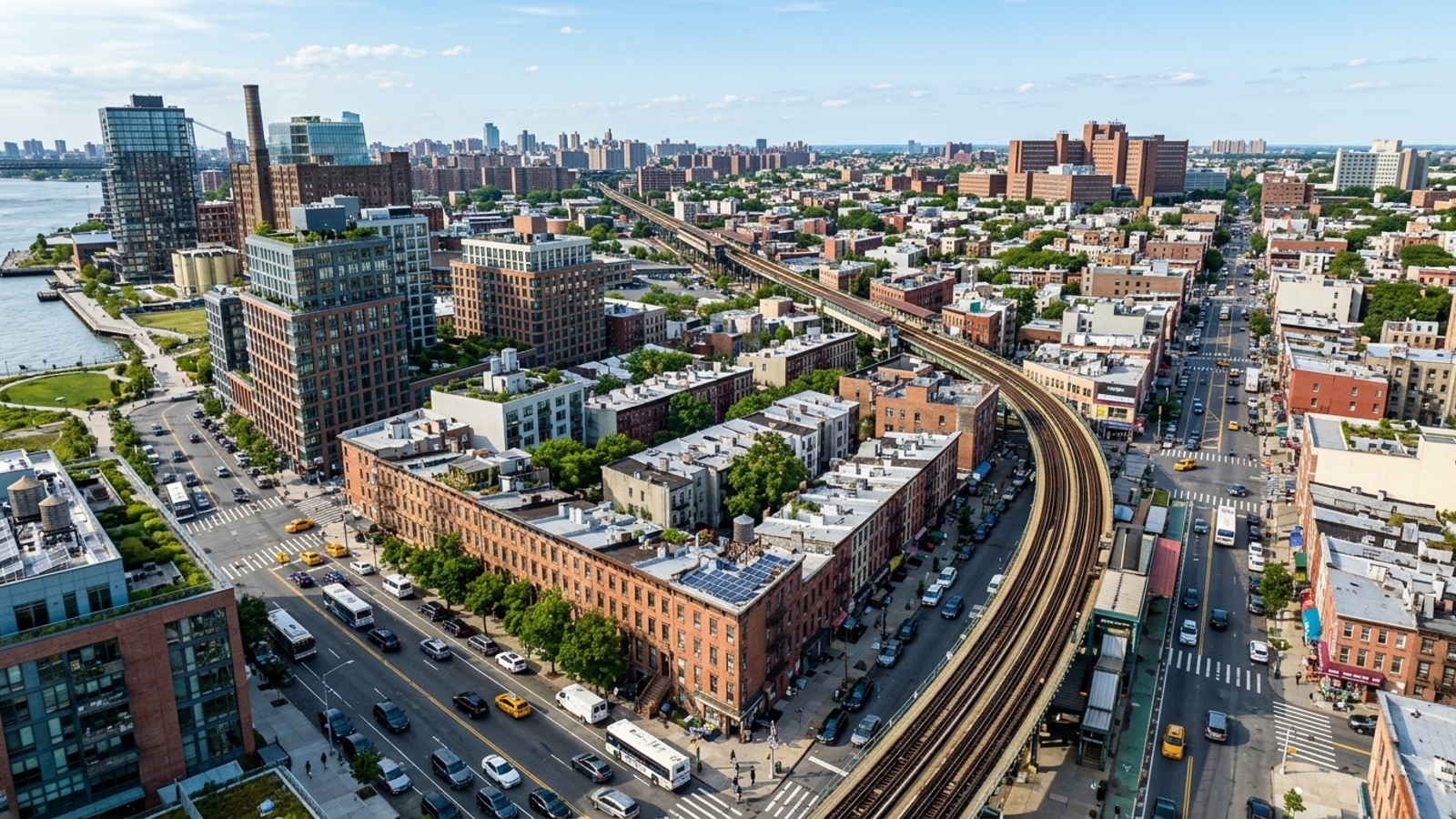
Multiple transit routes connect the two boroughs, and the commute is short. That said, "short" varies a lot depending on which block you're on and which station you're walking to. When you're evaluating properties, map the actual walking distance to the nearest transit stop. That walk affects your daily life and it affects resale value.
Proximity to Manhattan
The connection to Manhattan is a primary driver of demand here, and it shows up in the prices. Residents commute daily, and the ease of that trip is baked into home values. Properties within a five-minute walk of a station consistently command higher prices than comparable units that aren't.
Mapping Your Search
Walk the blocks across the different Williamsburg zip codes around any property you're seriously considering. Better yet, test the commute from that specific address to your workplace during actual rush hour. The map looks one way; the lived experience can look very different.
Cost of Living and Lifestyle
The overall cost of living in this part of Brooklyn is among the highest in New York City. As you weigh the pros and cons of living in Williamsburg, remember that the mortgage or carrying costs are only part of the picture.
Daily expenses - groceries, utilities, transportation - reflect the premium of the area. And New York's seasons are real: heating bills climb in the winter, air conditioning costs rise in the summer. Build that into your monthly budget, not as an afterthought.
Evaluating Affordability
A median near $1.74 million means you need a substantial income and a substantial down payment just to get in the door. Beyond the down payment, make sure you have enough reserves to absorb high monthly common charges - especially in buildings where those extensive amenities mean the fees to match.
Year-Round Climate
Four distinct seasons affect property maintenance in ways that vary by property type. Townhome owners handle their own snow removal. Condo and co-op owners see that cost reflected in monthly maintenance fees instead. Neither option is free - it's just a question of how it shows up.
Finding a Local Real Estate Agent
In New York, real estate commissions are typically paid by the seller out of the final purchase price. Finding the best real estate agent in Williamsburg means you have someone watching new listings the moment they hit - which matters in a market where well-priced properties don't wait.
A good agent here will know the nuances of co-op board packages and local pricing trends cold. That's not a generic skill set - it's specific, and it makes a difference when you're structuring an offer for a Brooklyn seller.
Choosing the Right Representation
Look for someone with a documented track record of closings in Williamsburg specifically. An agent who works primarily in Manhattan or other parts of Brooklyn may not have the local relationships that give you an edge in a competitive situation.
Interview Questions to Ask
Before you sign anything, ask how many transactions they've completed in the area over the past year. Ask specifically about their experience putting together co-op board packages. That's a distinct skill, and you want someone who's done it enough times that yours isn't a learning experience for them.
The Purchasing Process in New York
Getting from an accepted offer to the closing table in New York requires your agent, your real estate attorney, and your lender all moving in sync. The process has steps that don't exist in most other markets, and the sequence matters.
After an offer is accepted, your attorney will dig into the building's financials before contracts are signed. That review is there to protect you - it's how you find out about hidden debts or upcoming assessments before you're legally committed.
Co-op Boards vs. Condo Associations
A co-op purchase means submitting a detailed financial package and sitting for an interview with the building's board. The board can approve or deny the sale, full stop. Condos are a much simpler process - typically just a waiver of the board's right of first refusal, no interview.
Inspections and Closing Steps
Hire an inspector for the individual unit, even in a large multi-family building. Once the inspection and building due diligence are done, contracts get signed and you move toward closing. Be prepared for New York-specific closing costs, which add a notable percentage to your final purchase price.
Frequently Asked Questions
What are the typical closing costs and mansion tax when buying a home in Williamsburg, Brooklyn?
Closing costs will add a percentage to your total purchase price. New York's mansion tax applies to purchases of $1 million or more - which, at a $1.74 million median, means it applies to most transactions in this market.
How does the board approval process differ for Williamsburg co-ops compared to new development condos?
Co-op boards require extensive financial disclosures and a formal interview before they'll approve a sale. New development condos are a much simpler process, focused mainly on the waiver of the right of first refusal rather than any personal interview.
What happens to my monthly payments when the 421-a tax abatement expires on a Williamsburg condo?
When the 421-a expires, your property taxes reset to the standard assessed rate. Your monthly carrying costs will increase. Review the specific abatement timeline during due diligence - don't find out about the expiration after you've closed.
Are there specific flood zone insurance requirements for buying a waterfront property in Williamsburg?
Buildings directly on the waterfront may sit in designated flood zones. If you're purchasing with a mortgage in those specific areas, your lender will require you to carry flood insurance.
How do real estate prices and condo fees in Williamsburg compare to neighboring Greenpoint?
Williamsburg generally carries a higher median sale price and has more large-scale luxury developments than Greenpoint. The extensive amenities in those newer Williamsburg buildings also tend to mean higher condo fees.
How long does it typically take to close on a home in Brooklyn's Williamsburg neighborhood after an offer is accepted?
It depends on the property type. Condos and townhomes typically close in 60 to 90 days. Co-ops can run longer because of the board package review and interview process.