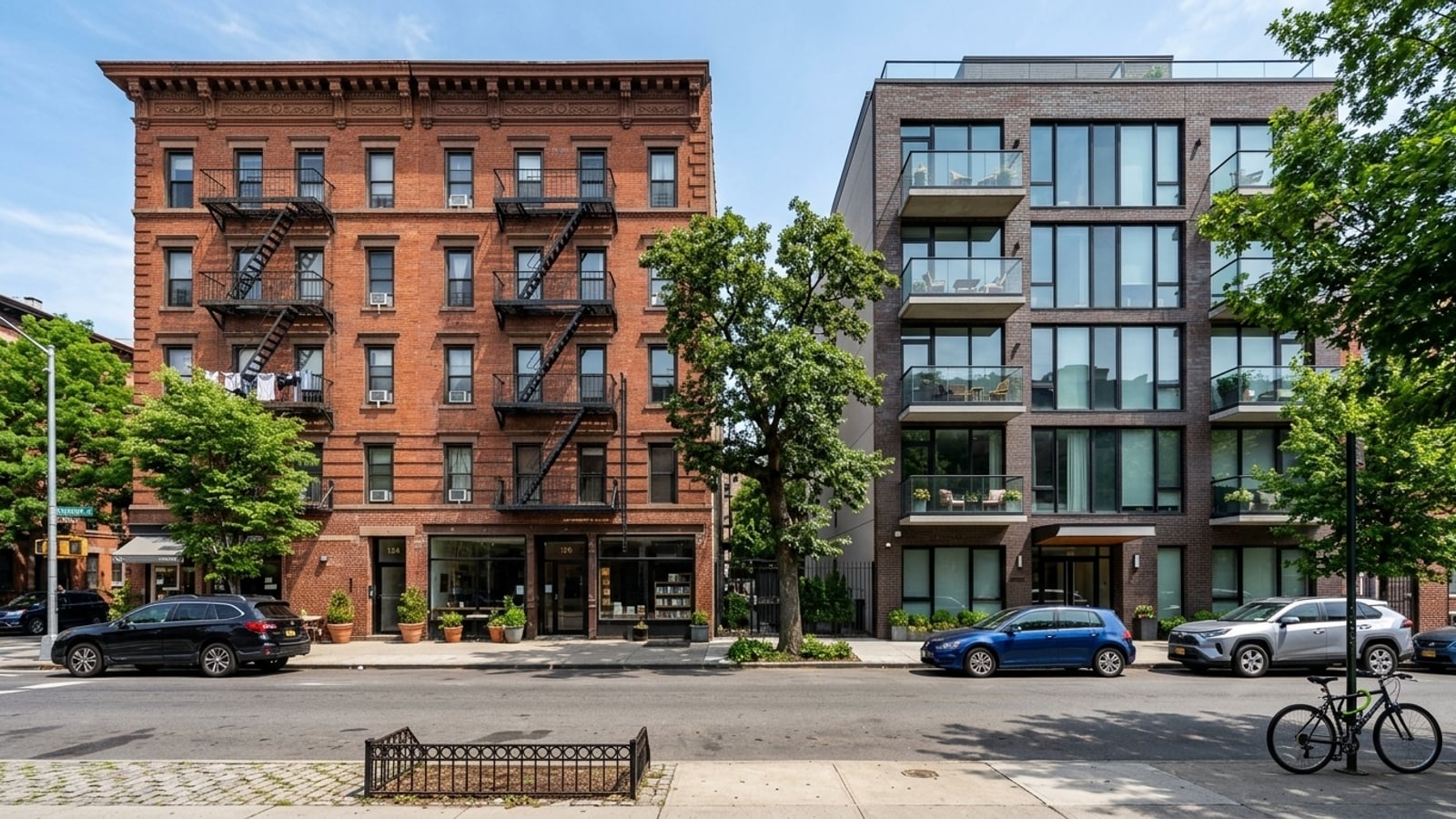
Buying a home in Brooklyn involves a lot of moving parts, and utilities are one of those pieces people consistently underestimate until closing day. The median sale price in Williamsburg is currently around $1,741,000, and homes are spending roughly 43 days on the market. When you're paying that kind of premium and weighing the pros and cons of living in Williamsburg, you want a clear picture of how your basic home services work and what you'll actually owe every month.
This article walks through how water and sewer services operate in Williamsburg - managed at the city level for all five boroughs - and what you should expect once you have keys in hand.
City Water Versus Private Wells in Kings County
You're not going to find a residential property with a private well in Brooklyn. The neighborhood is too dense, and the infrastructure has been municipal for generations. Every home you look at here will be connected to city water - there's no well pump to inspect, no groundwater testing to schedule, and no softening system hiding in a utility closet.
The New York City Department of Environmental Protection handles water supply for all five boroughs. That centralized setup means the city owns the infrastructure problem. Water gets delivered to the property line, and your job is simply to pay the bill.
Defining the Municipal System
Municipal water is drawn from a network of upstate reservoirs, treated, and delivered through the city's distribution system. Your property has a meter that tracks usage exactly, and the DEP bills the owner based on those readings - which is a completely different arrangement from a private well, where a homeowner pulls groundwater directly from their own land.
On the off chance you ever wondered about drilling a private well anyway: New York's Environmental Conservation Law §15-1525 requires any water well contractor to be registered with the Department of Environmental Conservation. The installation would also have to comply with New York State Department of Health standards outlined in 10NYCRR Appendix 5-B. In practice, this is not a conversation most Brooklyn buyers will ever have.
Breaking Down Williamsburg Water Costs
For the fiscal year that began July 1, 2025, the NYC DEP metered water rate is $5.05 per 100 cubic feet. The combined water and sewer charge is $13.07 per 100 cubic feet, which works out to roughly 748 gallons. That combined line is what actually matters for budgeting - sewer charges run right alongside water charges on the same bill.
A typical single-family home using 70,000 gallons a year ends up with a combined water and sewer bill of about $1,224 annually, or roughly $102 a month. Those figures are based on FY2026 rates, before any proposed FY2027 increases.
Multi-family buildings look a little different. A typical multi-family metered unit averages about $909 a year - around $76 a month - based on 52,000 gallons of annual usage. And yes, if someone in the household runs the washing machine constantly or takes long showers, that average climbs.
Water Quality and Safety in Brooklyn
Brooklyn gets the same treated municipal water as the rest of the five boroughs. The DEP tests it continuously before it reaches your tap, and the city documents all of that testing publicly. If you're coming from a home with well water, you'll notice you're no longer responsible for any of that.
The relevant document is the 2025 New York City Drinking Water Supply and Quality Report - there's no separate report for Kings County specifically, just the single citywide publication. It's prepared in accordance with the New York State Sanitary Code and National Primary Drinking Water Regulations.
Unless you suspect something is wrong with the plumbing inside your specific building, private water testing isn't necessary.
Buying and Managing a Home with City Utilities
Here's something buyers sometimes miss: the DEP attaches unpaid water and sewer charges to the property itself, not to the person who ran up the bill. That means any balance the seller left behind becomes your problem after closing. Your title company will typically catch this and ensure the account is clear, but confirm it explicitly before you sign anything.
For condos and co-ops, the building's management handles the main water account, and the cost is usually rolled into your monthly maintenance or HOA dues - you won't see a separate DEP bill. If you're buying a single-family townhouse, you'll set up the DEP account in your own name.
Frequently Asked Questions
Which utility companies service Williamsburg, Brooklyn for electricity, gas, and internet?
Con Edison is the primary provider for electricity and gas in this part of Brooklyn. For internet and cable, most residents use either Verizon Fios or Optimum, depending on which company has wired their specific building.
What is the average monthly cost for utilities in a typical Williamsburg apartment or condo?
A typical multi-family metered unit pays about $76 a month for water and sewer based on 52,000 gallons of annual usage. Your total utility costs will be higher once you add in your personal electricity, gas, and internet.
How far in advance should I schedule my Con Edison and internet setup before moving into a Williamsburg home?
Schedule your utility transfers at least one to two weeks before your closing or move-in date. That's enough lead time to make sure electricity and internet are fully functional on day one.
As a buyer in Williamsburg, which utilities are typically covered by condo or co-op HOA fees versus paid out of pocket?
Condo and co-op HOA fees almost always cover the building's municipal water and sewer charges. Electricity, cooking gas, and internet are generally on you.
Is Verizon Fios available in all Williamsburg buildings, or will I need to use a provider like Optimum?
Fios isn't available in every building. If your specific address isn't wired for it, Optimum is the other local option for internet service.
What is the proper process and timeline for transferring or shutting off utilities when selling a property in Williamsburg?
Contact your providers about a week before closing to schedule a shut-off or transfer for the closing date. The title company will handle the NYC DEP water account to make sure no unpaid balances follow the property to the new owner.