Undivided Real Estate

What Makes NoMad One of Manhattan's Most Compelling Places to Live

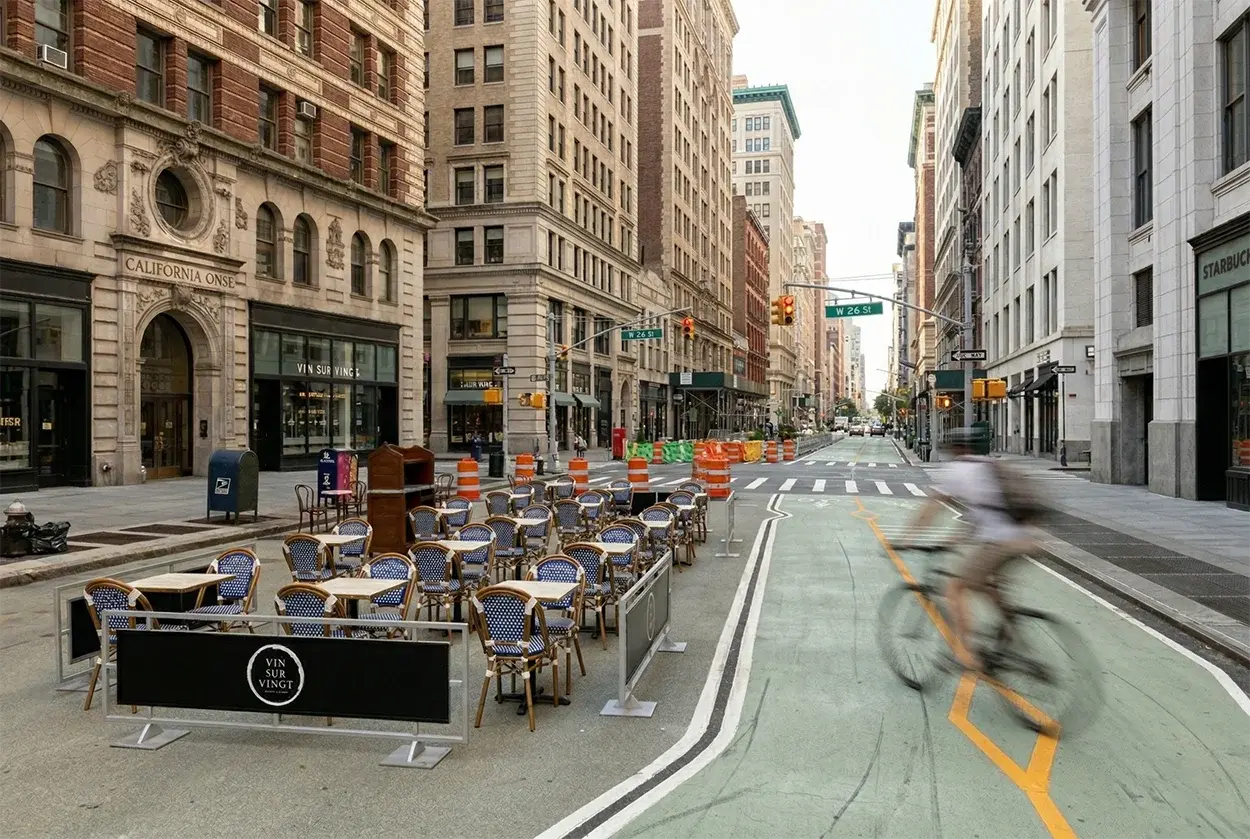
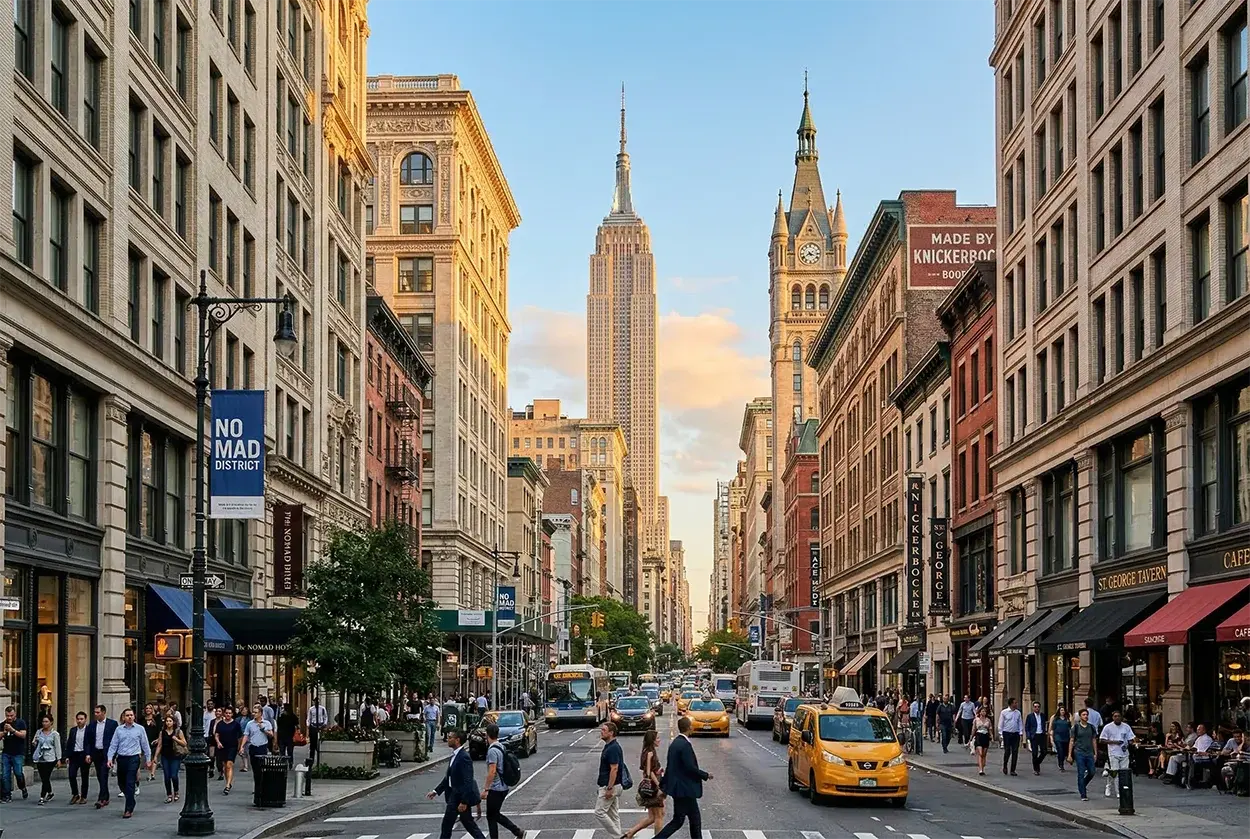
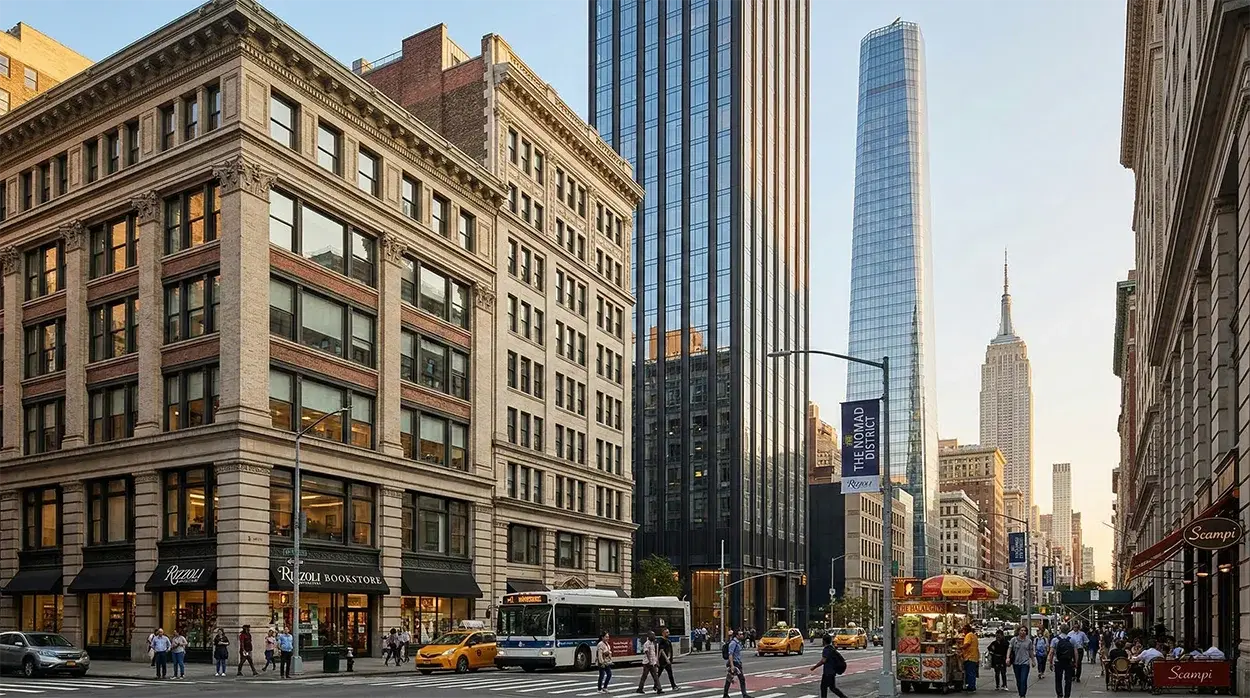
NoMad street corner view

Overview

Where Is NoMad?

The NoMad neighborhood in NYC (short for North of Madison Square Park) is a centrally located Manhattan enclave that blends historic character with modern city living. Positioned between Midtown and Downtown, NoMad offers exceptional walkability, access to major business districts, and a refined residential atmosphere that appeals to both full-time residents and investors.

Why Sophisticated Buyers Are Choosing NoMad Right Now

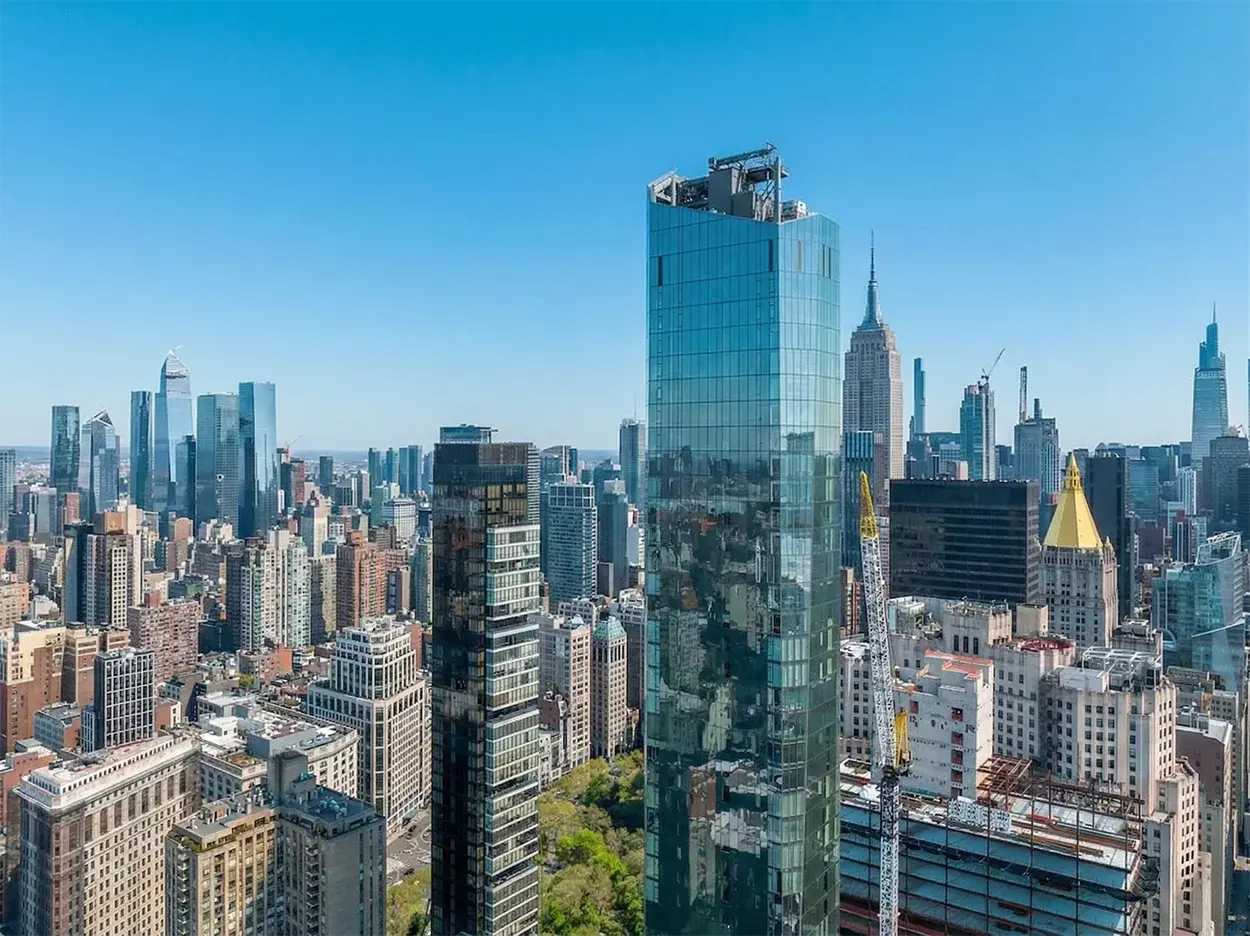
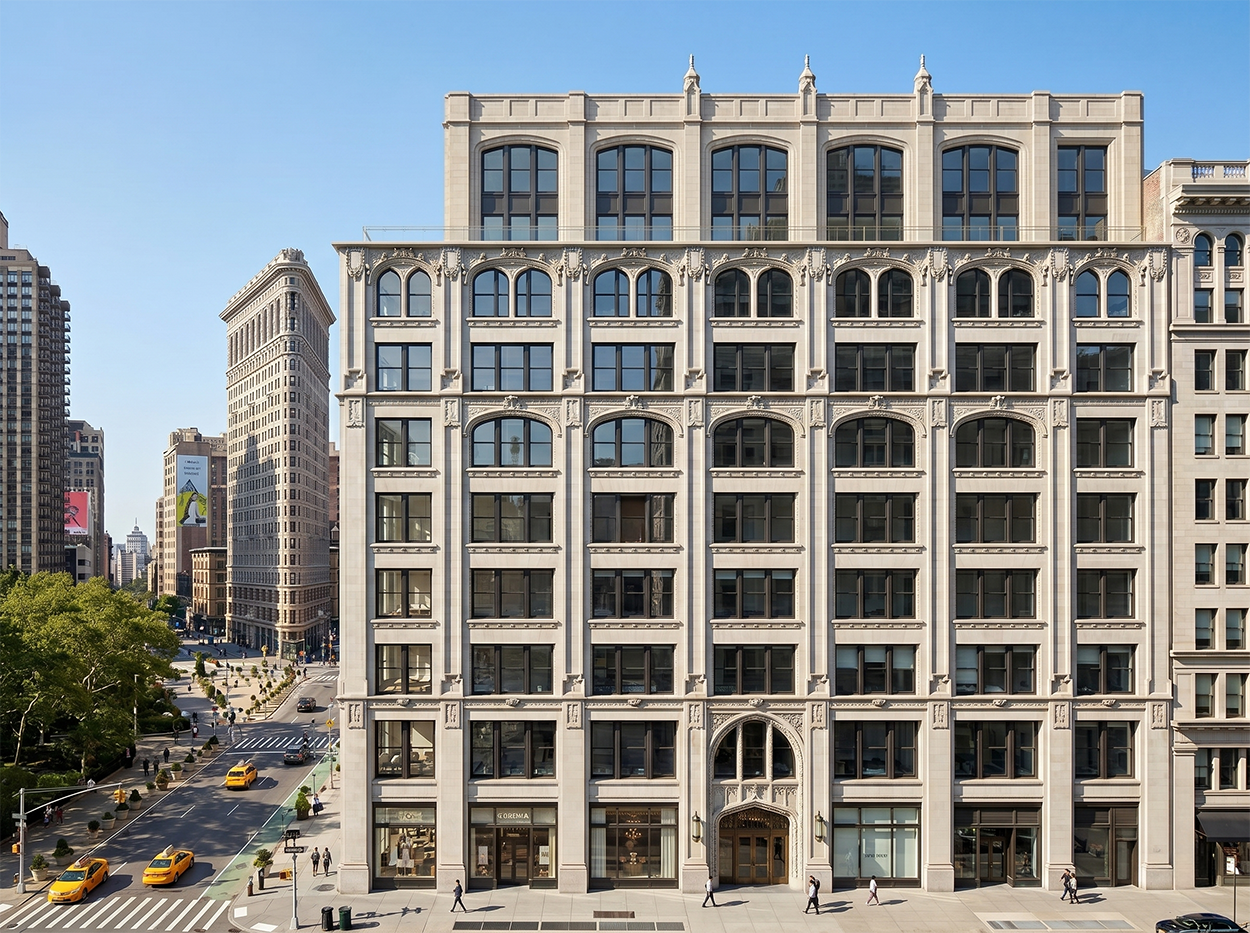
Known for its mix of classic pre-war architecture and contemporary condominium developments, NoMad Manhattan has evolved into a design-forward neighborhood with a strong lifestyle identity. Boutique hotels, acclaimed restaurants, and curated retail sit alongside quiet, tree-lined streets, creating a balance between energy and livability that distinguishes the NoMad district in New York from nearby areas.

Condo Median Price per Sq Ft
$1,856
New Development Median Price per Sq Ft
$1,800-$2,800+
Property Types
Condos, Co-ops, Townhomes
Average Days on Market
103-161
Walk Score
100
Transit Score
100
Nearby Business Districts
Midtown, Flatiron District, Garment District, Koreatown, Herald Square

Neighborhood Map

NoMad delivers a sharp Manhattan value proposition: a central address with true walkability, immediate access to Midtown, Flatiron, and the Union Square corridor, and a housing mix (prewar co-ops, newer condos, and full-service rentals) that can still price below the “trophy” neighborhoods nearby. For the analytical buyer, it’s a practical blend of commute efficiency, strong rental demand, and lifestyle upside without paying a Madison Square Park or Chelsea premium.
Investment Analysis:
What the Numbers Tell Us About NoMad


Price & ROI Trends
  • NoMad real estate commands a meaningful premium over the Manhattan borough median, reflecting its central location, constrained historic building supply, and the sustained pull of Madison Square Park as a value anchor.
  • The median home sale price in NoMad has reached approximately $2.4M, a 20.6% increase year over year, at a time when the Manhattan-wide median sits at approximately $1.2M.
  • The median price per square foot in NoMad is $1,856, a 10.1% year over year gain, placing it at a roughly 20% premium over neighboring Flatiron ($1,548 per sq ft).
  • Product type creates significant spread: converted lofts in co-op buildings typically trade between $1,100 and $1,600 per square foot, while new construction condos with full amenity packages range from $1,800 to $2,800 per square foot, with premium units exceeding $3,000 per square foot.
  • NoMad condos offer strong long-term appreciation potential for buyers at this price tier, while converted loft co-ops can offer a lower entry point with architectural character that new construction cannot replicate.
Financial Fundamentals
  • The NoMad neighborhood features a healthy mix of condominium and cooperative buildings, with many newer or recently converted properties offering more predictable ownership structures for buyers and investors.
  • Cash dominates transactions at this price tier. Nearly 70% of Manhattan condo sales were all-cash in 2025, a dynamic that runs especially strong in NoMad, given its concentration of high-net-worth, and international buyers.
  • Days on market in NoMad run between 103 and 161 days, depending on the period and data source, reflecting the high price points and discerning buyer pool rather than weak demand.
  • Board and sponsor structures in NoMad align with broader Manhattan standards, with no systemic litigation issues impacting neighborhood-wide investment fundamentals.
Long-Term Value Proposition
  • NoMad's long-term appreciation story is anchored by permanent infrastructure. Apartments with direct Madison Square Park views or immediate park proximity have historically commanded premiums of 15 to 25% over comparable units a few blocks north.
  • The Madison Square North Historic District limits demolition and new ground-up construction across large portions of the neighborhood, keeping supply constrained and supporting durable price floors.
  • NoMad occupies a transitional position in Manhattan's pricing hierarchy. No longer emerging, but not yet at the price levels of Tribeca or Hudson Yards, creating an opportunity for buyers who recognize the fundamentals before the market fully prices them in.
  • For buyers with a 5 to 10 year horizon, recovering transaction volume, shrinking inventory, and continued reinvestment in surrounding commercial and hospitality uses support a constructive long-term thesis.

Lifestyle Profile:
What Day-to-Day Life in NoMad Delivers

Everyday Comforts and Quality of Life
  • Immediate access to Madison Square Park and nearby green spaces supports outdoor recreation, casual socializing, and a strong sense of neighborhood livability.
  • Residential buildings in NoMad frequently feature flexible layouts that accommodate home offices, guest rooms, and adaptable living areas, an increasingly important factor for modern city living.
  • A growing concentration of wellness studios, boutique fitness centers, and design-forward services enhances day-to-day quality of life in the NoMad neighborhood in NYC.
Convenience for Professionals on the Move
  • Central positioning makes commuting efficient, with easy access to Midtown, Downtown Manhattan, and major subway lines.
  • Many residential properties offer full-service amenities such as fitness centers, lounges, and concierge services, supporting streamlined urban living.
  • The neighborhood’s location and housing mix make it attractive to buyers seeking diversification within Manhattan luxury real estate without sacrificing lifestyle appeal.
Streamlined Living and Efficiency
  • NoMad’s compact, walkable layout places dining, fitness, retail, and transit within a short radius, reducing friction in daily routines.
  • Residential buildings often prioritize practical features such as in-unit laundry, generous storage, and modern building systems.
  • For buyers balancing demanding schedules, the NoMad Manhattan lifestyle emphasizes efficiency without feeling purely commercial.

Real Estate Listings in NoMad

The real estate market in the NoMad neighborhood in NYC offers a mix of historic pre-war residences and modern condominium developments, appealing to buyers seeking both lifestyle quality and long-term value. Limited residential inventory and central Manhattan location help support steady demand, particularly for well-located buildings with contemporary amenities. Compared to neighboring districts, NoMad continues to attract buyers focused on value-driven luxury rather than purely prestige-based pricing.

Key Features Often Found in NoMad Properties
  • Residences with flexible layouts, including dedicated home office space and adaptable floor plans.
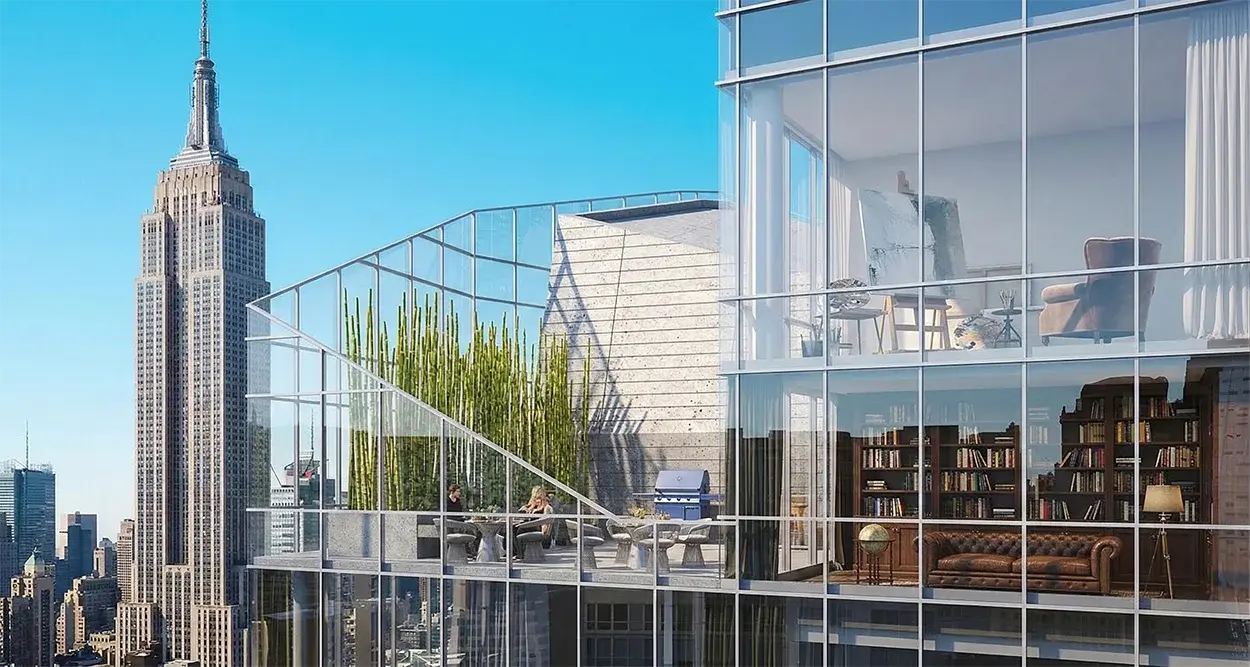
  • Homes featuring private outdoor space such as terraces, balconies, or rooftop access (availability varies by building).
  • A mix of pre-war architectural details and contemporary finishes, depending on the age of the building.
  • Buildings offering modern conveniences such as fitness centers, lounges, and concierge services.
  • Opportunities to acquire properties with comparatively efficient pricing relative to nearby Flatiron and Midtown South locations.

Together, these characteristics make NoMad an appealing option for buyers seeking Manhattan condos for sale that balance location, livability, and long-term investment fundamentals.

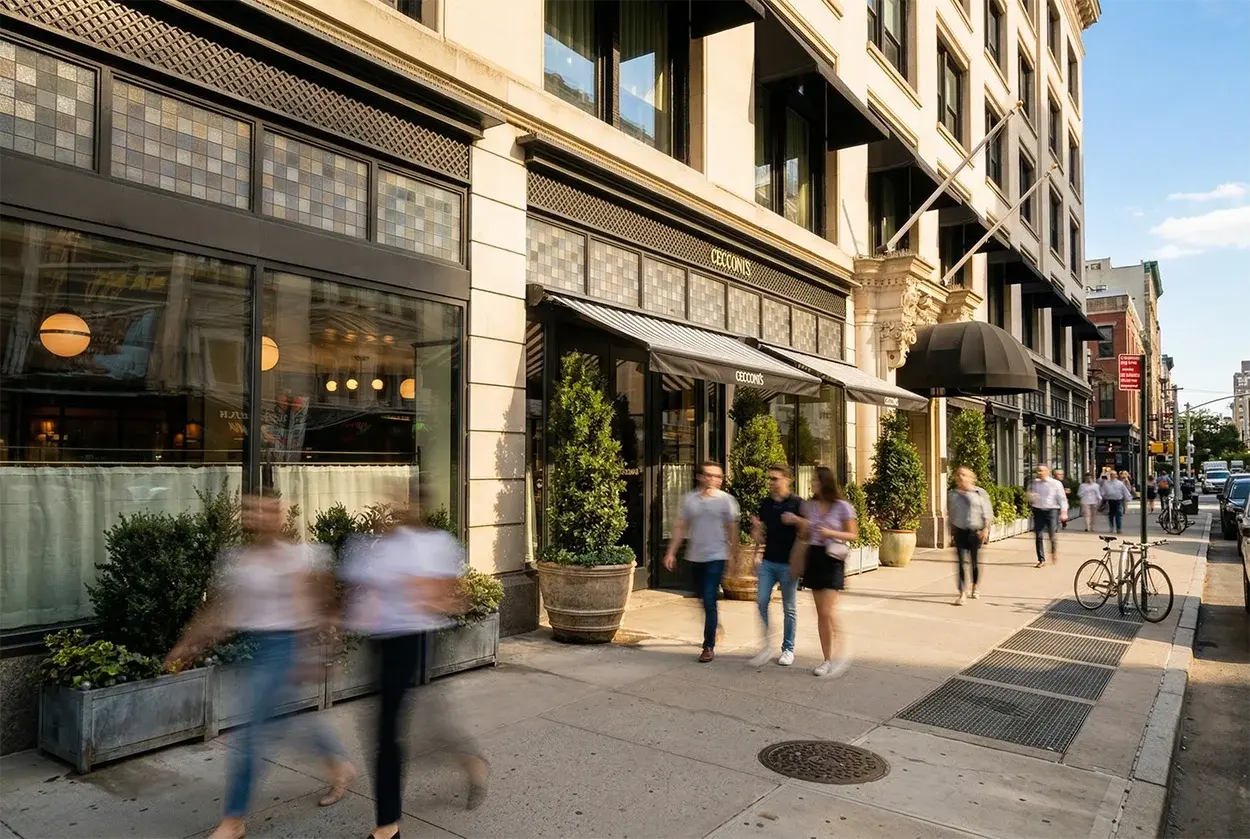
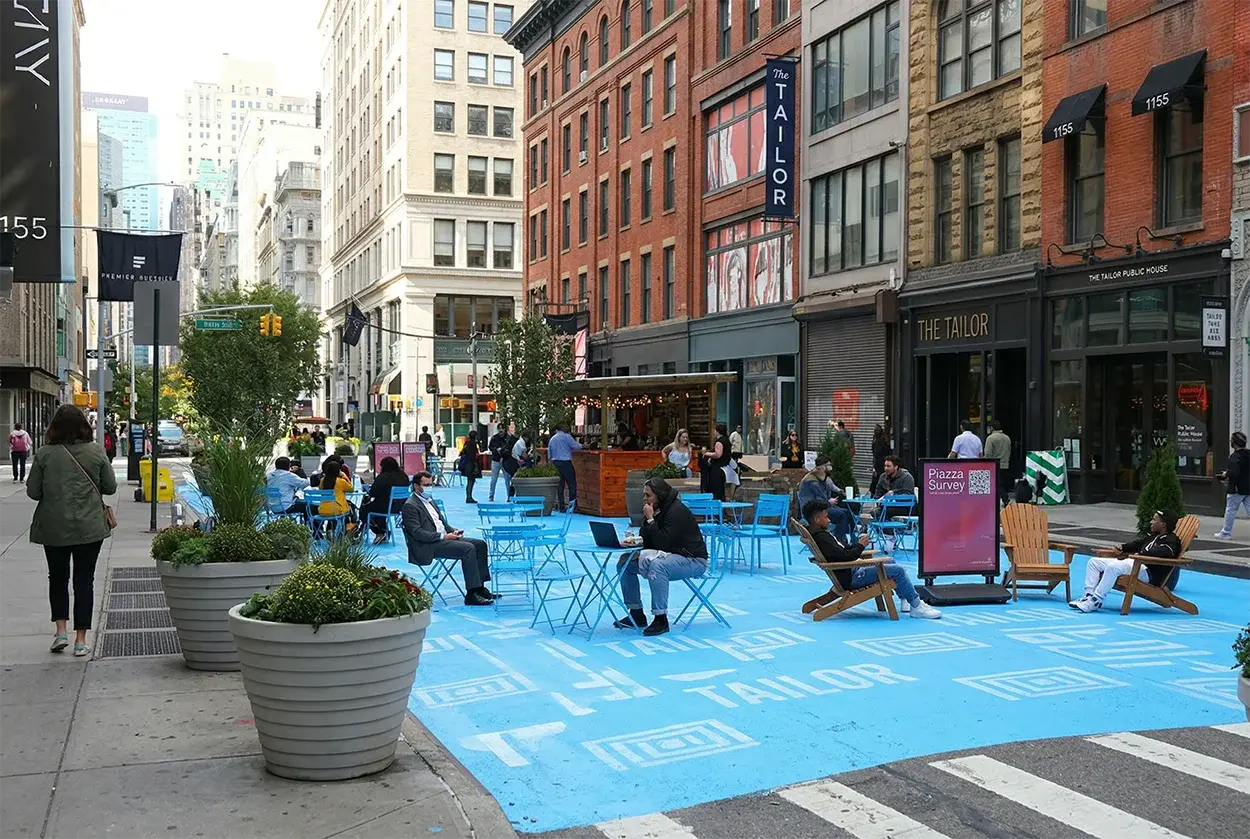
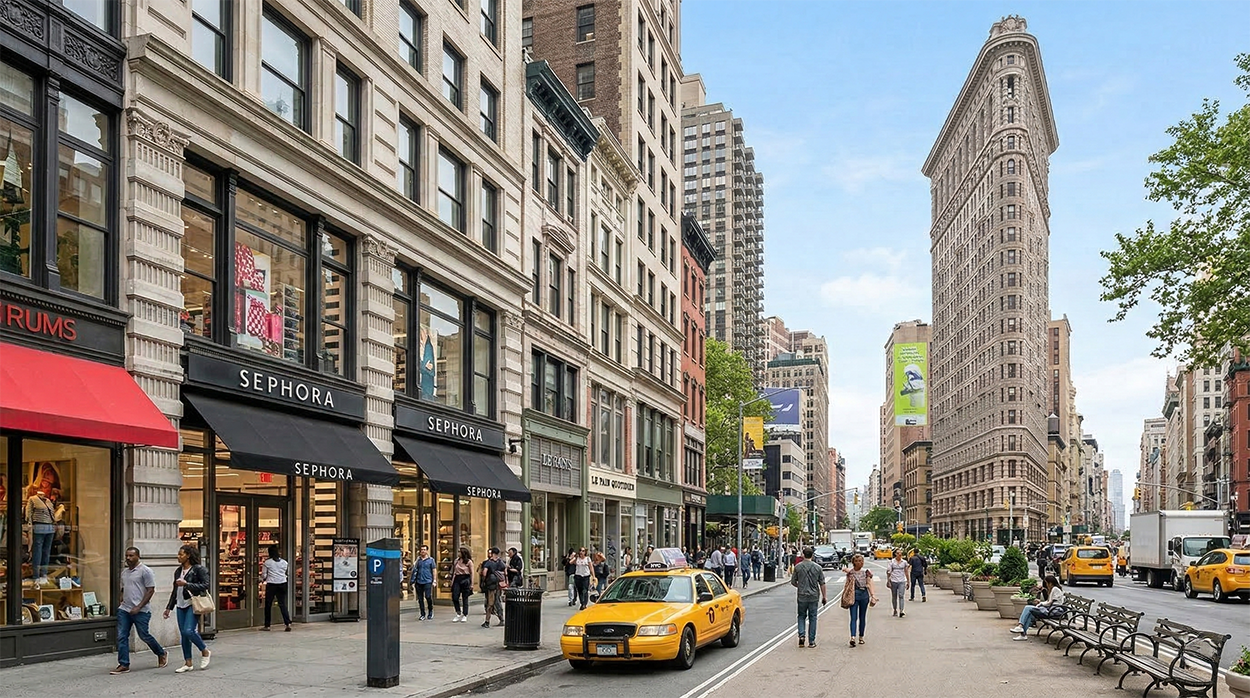
Nomad Neighborhood Street View
Living in NoMad:
NoMad Shopping, Dining & Attractions
Parks & Green Spaces
  • Madison Square Park anchors the NoMad neighborhood, offering landscaped green space, shaded seating areas, and a central gathering point for residents.
  • The park features year-round programming including rotating public art installations, seasonal markets, outdoor fitness classes, and community events that enhance daily life.
Dining & Social Scene
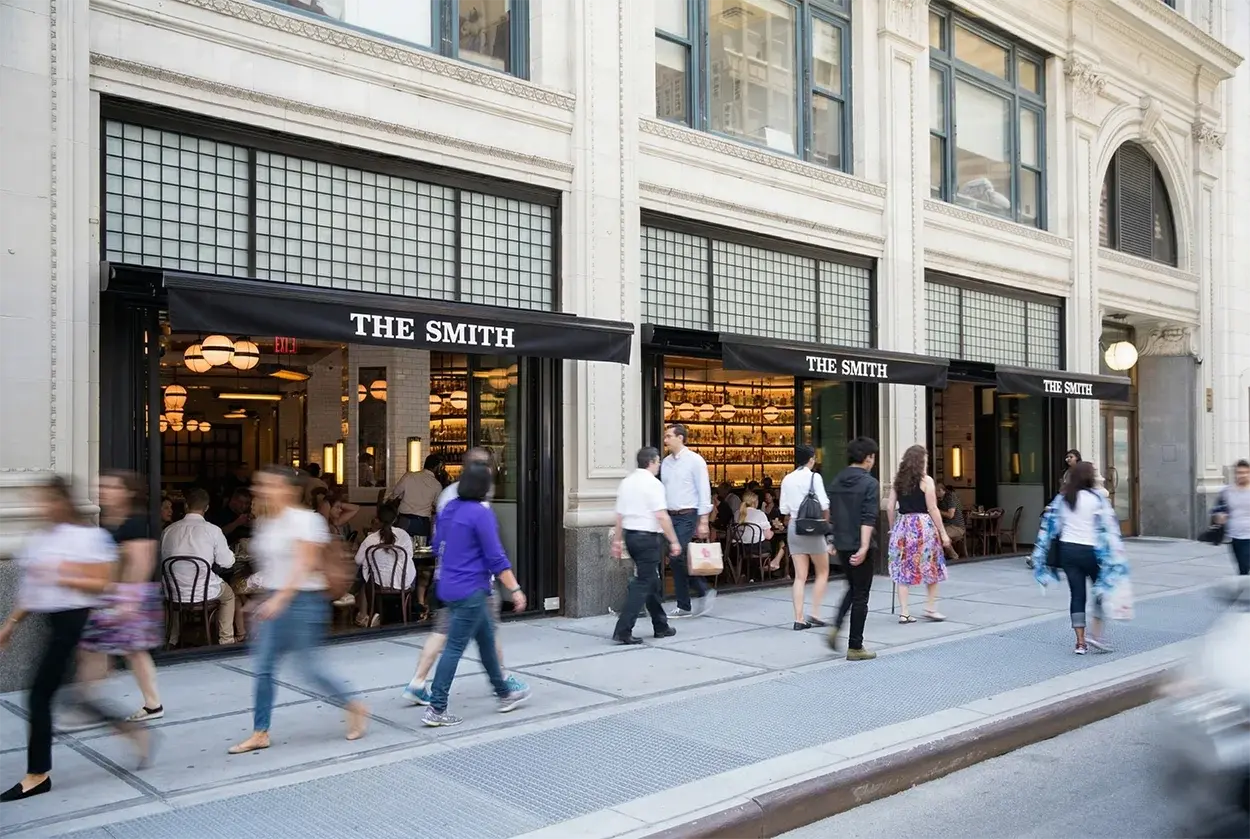
  • The NoMad neighborhood in NYC is home to a well-established dining and nightlife scene, with iconic destinations such as Eleven Madison Park, The NoMad Bar, and Ilili offering enduring appeal.
  • Social venues like 230 Fifth Rooftop Bar add rooftop and nightlife options while maintaining a refined, residential tone.
Shopping & Local Culture
  • Residents enjoy proximity to some of Manhattan’s most established shopping corridors, including Fifth Avenue, known for luxury outlets, global brands, and department stores.
  • Nearby destinations such as Macy’s Herald Square provide convenient access to major retail, while boutique shops and design-focused storefronts contribute to the character of shopping in NoMad NYC.
  • Cultural and recreational venues like the National Museum of Mathematics and Escape Room New York ensure there are always fun things to do in NoMad beyond dining and retail.
Transportation & Accessibility
  • NoMad is exceptionally well connected by public transit, with nearby subway lines including the 6, N, R, W, F, M, and 1 trains providing direct access to Midtown, Downtown Manhattan, and Brooklyn.
  • Multiple bus routes serve the neighborhood, including the M1, M2, M3, M5, and crosstown services along 23rd and 34th Streets.
  • For drivers, convenient access to major routes such as the FDR Drive, West Side Highway, and nearby Midtown Tunnel connections supports regional travel and commuting.
Comparison Snapshot: NoMad vs. Flatiron
Feature NoMad Flatiron
Median $/Sq Ft $1.8k $1.5k
Lifestyle Appeal Central blend of historic and modern living with strong dining, parks, and social venues. Iconic historic architecture with premier shopping corridors, strong restaurant scene, and well-established cultural attractions .
Commute to Midtown 10 minutes by train, 18 min walking 12 mins by train, 25 min walking
FAQs
What does NoMad stand for in NYC?
NoMad stands for “North of Madison Square Park,” referring to the neighborhood’s location just north of the park in central Manhattan. The name reflects both its geography and its evolution into a distinct residential and lifestyle district.
Is the NoMad neighborhood in NYC a good place to live?
Yes. The NoMad neighborhood in NYC offers excellent walkability, strong transit access, proximity to parks, and a balance of historic character and modern housing, making it appealing to professionals, families, and long-term residents.
Is NoMad an expensive neighborhood compared to other Manhattan neighborhoods?
NoMad is considered a high-end Manhattan neighborhood, with a median home sale price of approximately $1.65 million. While pricing reflects its central location and lifestyle appeal, it is often viewed as more value-oriented compared to nearby luxury districts such as Flatiron or Gramercy Park.